
Cork: To visit or not?
Short answer: Yes — Cork is worth visiting if you value food, culture and easy day trips along the South Coast. If you only have 48–72 hours in Ireland and plan to stay in Dublin the whole time, prioritise Dublin first.
- Worth it if: you want a walkable city with a world-class food scene and quick access to Blarney, Kinsale and Cobh.
- Maybe skip if: you only have 2–3 days total in Ireland and must choose between Dublin or a fast west-coast loop.
- How long to stay:
- 1 day — covers the highlights: morning at St Fin Barre's and a riverside walk, a long lunch at the English Market, an afternoon at Shandon Bells or Fitzgerald's Park, then dinner in the Victorian Quarter. Start early to avoid queues and focus on walkable sights.
- 2–3 days — city plus one day trip: use one full day for deeper city exploration (museums, markets, and a neighbourhood like Blackrock), and reserve a day for a nearby trip — Kinsale for seafood and harbour walks or Cobh for maritime history.
- 4+ days — base for exploring West Cork: with 4+ days you can overnight in the region or take longer day trips to discover West Cork's coastal villages, beaches and scenic drives (e.g. Baltimore, Skibbereen, or Mizen Head). Renting a car or joining a guided day tour makes these easiest.
Is Cork right for you?
Use this quick guide to decide whether Cork belongs on your itinerary.
- First-time visitors (7–10 days): Yes — add Cork for authentic culture and regional day trips.
- Weekend / 48-hr breaks: Maybe — excellent food & relaxed pace; pair with Kinsale or Cobh.
- Families: Yes — Fota Wildlife Park, Spike Island and parks make Cork family-friendly.
- Short on time (≤3 days): Skip only if your priority is Dublin's headline sights.
Quick itineraries
24 hours — St Fin Barre’s → English Market lunch → Shandon Bells → Marina Promenade → dinner in the Victorian Quarter.
48 hours — Day 1: city highlights. Day 2: Kinsale (seafood & harbour walk) or Cobh (Titanic Experience).
72 hours — Day 1: city. Day 2: Blarney Castle & gardens. Day 3: Kinsale or Spike Island/Cobh.

Iconic Attractions
While County Cork is known for world-famous attractions like Blarney Castle, Jameson Distillery, and the Titanic Experience, Cork City itself offers a more low-key set of sights — equally worth a visit and easy to explore on foot. You can easily get around to most of them without ever needing a bus or car. For more about getting the most out of Cork City on foot, see our guide: A City Tour of Cork, Ireland.
Cork City Walking Map
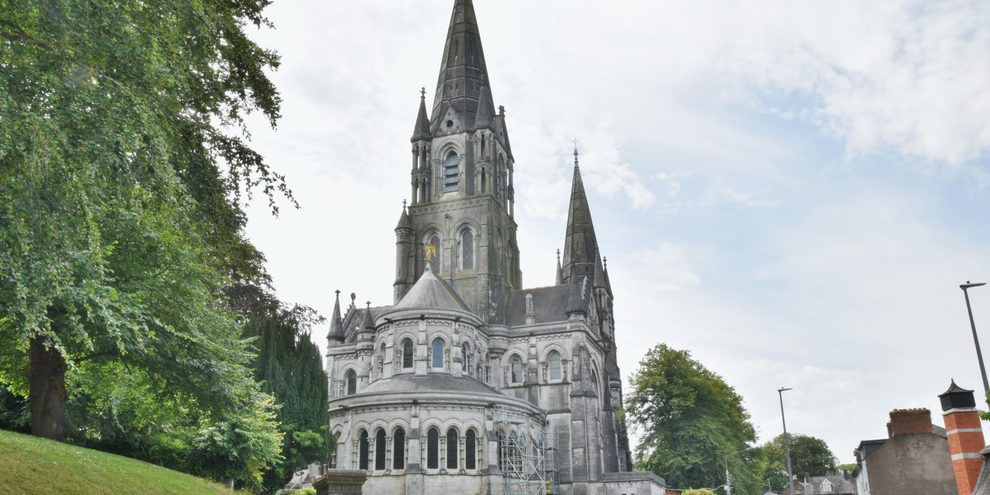
St Fin Barre's Cathedral
Cork City's most significant landmark, St Fin Barre's Cathedral, is surprisingly underappreciated by locals. Many Corkonians have never set foot inside, yet it's a firm favourite with visitors. Part of that might be due to the entry fee, which is somewhat higher than many expect, currently at €8 for adults — especially for a visit that only lasts around 15 minutes.
Those who do venture in are rarely disappointed. Built between 1865 and 1879 (and consecrated in 1870 while still under construction), the cathedral stands on the site of a 7th-century place of Christian worship. It was designed by the renowned architect William Burges. Upon its completion, Burges gifted the 'Goldie Angel' — the golden statue perched on top of the east-facing spire — to the people of Cork. Local legend has it that if the angel ever falls, the world will end. As you may have guessed, they've taken great care of it ever since.
If you're on a budget or short on time, you can still enjoy the cathedral grounds, which feature a stunning garden and unrivalled views over the city. Inside, highlights include military memorials honouring 400 Cork men who died in World War I, and a massive organ with over 4,500 pipes. Architecture fans will appreciate what is essentially one man's vision brought to life — Burges designed nearly every detail, from the furniture and stained-glass windows to the sculptures and mosaic floors. Stepping back outside, see how many of the 32 gargoyles you can spot — each with a different animal head and all designed by Burges.
Walk-in visits are normally fine, but during the busier summer months it's best to arrive after 12:30 pm to avoid lengthy queues.
Shandon Bells
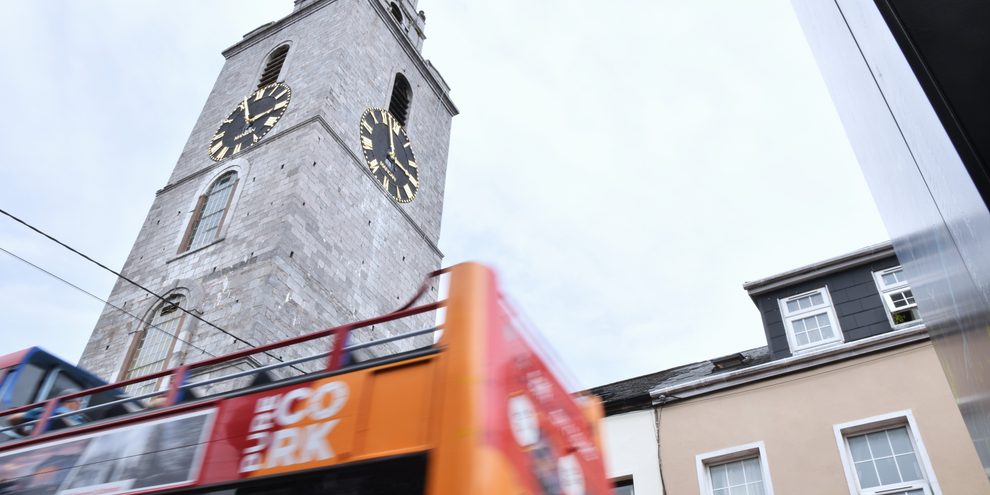
Another iconic part of Cork's skyline is St Anne's Church and its famous Shandon Bells. Located on the north side of the city, at the top of Shandon Street, the church is the oldest in Cork still in continuous use, having been active since 1722.
The tower that houses the bells is made of red sandstone and white limestone — said to have inspired the red and white colours of the County Cork flag. To reach the bells, you'll need to scale 132 steps from inside the church. Towards the top, the tower narrows and the stairway becomes quite a squeeze, so it's not suitable for those with mobility issues. If you do make it to the top, the views alone are worth the climb.
The clock tower itself is also known as the "Four-Faced Liar" as its four clock faces are said never to show the same time. Legend has it that if you weren't born within earshot of the Shandon Bells, you're not a true Corkonian. You can also spot one of Cork's most iconic aquatic features up close — a three-metre goldfish weather vane, a nod to both the fish of the nearby River Lee, and an early Christian symbol.
Access to the Shandon Bells and Tower costs €6 per adult, and entry to the church costs €2 per adult, with children going free. If you're in the Shandon Street area around Halloween, be sure to check out the annual Dragon of Shandon Festival.
Historic Sites
Today, Cork is a vibrant and modern city that takes pride in its over 800-years of history. It was first developed as a monastic settlement in the 6th century, growing from the site where St Fin Barre's Cathedral currently stands. Over the course of its lifetime, Cork City has served as a centre of religion and education, a Viking trading post and an administrative hub during British rule — which lasted from the 1170s until the establishment of the Irish Free State was in 1922.
Cork City Gaol
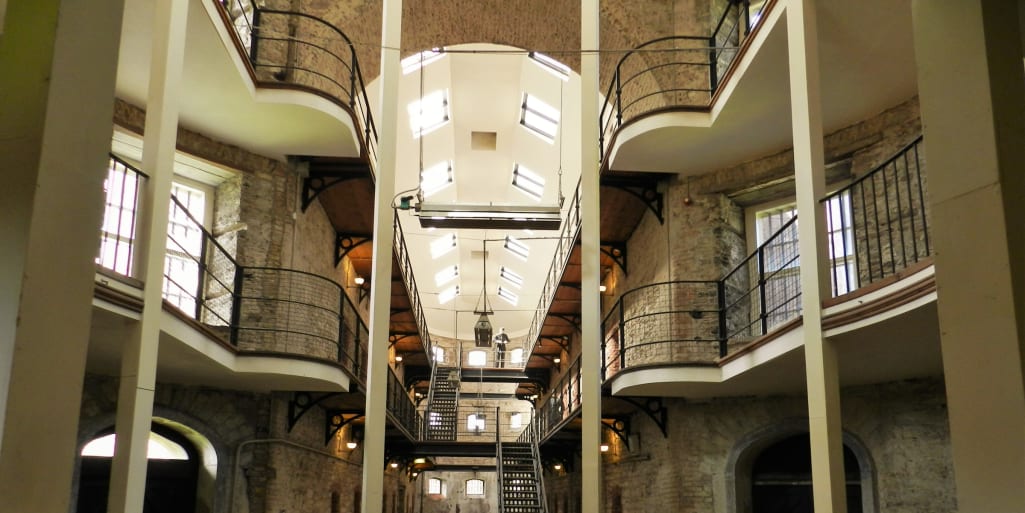
Built by the Deane family as a replacement for the overcrowded and outdated North Gate Bridge Gaol, Cork City Gaol was first opened in 1824. It was home to anyone who fell foul of the law within the city walls — men, women and indeed even children. Most notoriously, it was the place of incarceration for the 9-year-old pickpocket Edward O'Brien, who spent three weeks inside after his eighth conviction, with the added punishment of a whipping twice a week. Other notable inmates include Frank O'Connor, a local author and Civil War activist, and Countess Markievicz, a socialist, suffragist and an Irish revolutionary nationalist politician — who called the gaol the most comfortable that she had ever stayed in, which is quite the compliment considering she took up at least five such residences in her lifetime.
Today, the prison is a popular attraction that has lovingly recreated its harrowing past, you can see some of its famous past inmates recreated as wax figures as well as their cells meticulously curated. The tour guides are the standout here — their knowledge and passion are remarkable, and they will go out of their way to make children feel welcome and included, perhaps as a spiritual peace offering to young Edward O'Brien. Tickets for adults are €11, and kids €7.
If you are making your way to Cork City Gaol from the city centre on foot, then comfortable shoes are a must. The gaol is found high on the north side, in Sunday's Well, almost at the city's peak. The flatter, marshier ground of the south side was the land that wealthier landlords bought up while the steep hills and inclines of the north were seen as ideal for the working-class folk employed in the nearby docklands, mills and factories. Elevation was also thought of as more sanitary back then, with gravity playing its part in the sewage system of the city — so you'll find plenty of old institutions such as gaols, hospitals and asylums located in this area.
Cork Butter Museum
Located in Cork City's Shandon district, just a five-minute walk from the Shandon Bells, the Cork Butter Museum takes you through the history of butter production and trade in County Cork. It's housed in the former Cork Butter Market, a building that dates back to 1849 — once part of the Cork Butter Exchange, that first opened in 1770. At it's peak, this was the largest butter exchange in the world, exporting over 30 million pounds of the spreadable delight each year — to the West Indies, Scandinavia, the British Navy and as far away as New Zealand.
Butter arrived in the exchange from farms across Cork and Kerry via so-called butter roads. Each morning, a group of inspectors would grade samples of butter from firkins (barrels) using taste, smell and touch — giving them quality ratings from first to sixth class.
The museum plots the rise and fall of the Cork butter industry, from its golden era of the 19th century to its decline in the late 1800s, when saltier, lighter butters from the likes of Denmark and France edged Irish butter out of the global market. Cork's Butter Exchange closed its doors for the last time in 1924.
Today, Cork's Butter Museum isn't just for butter aficionados or people involved in agriculture. It's a fun, interactive experience for all ages and remains one of Cork City's most loved attractions. There are butter making demonstrations available on the tour of the museum, but this is only at 12 noon on Saturdays. This will book out close to each date, so if you'd like that to be part of your experience, it is advisable to book well in advance. Tickets for the Cork Butter Museum cost €5 for adults and €2 for children.

Food & Drink
County Cork has long been flying the Irish food flag — with Clonakilty Pudding, Barry's Tea and the seafood of Kinsale all earning international acclaim. In recent years, Cork City itself has come into its own, with artisan coffee shops, bakeries and community farmers' markets taking centre stage. You'll find these dotted through the city, and for an all-in-one experience, head to the historic English Market or the vibrant, up-and-coming Marina Market.
The English Market
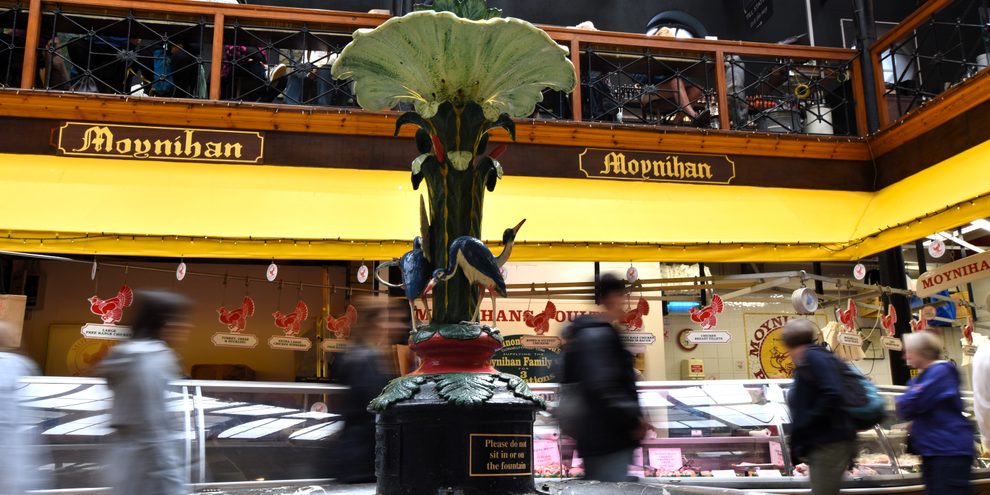
First opened in 1788, Cork City's English Market is one of the world's longest-running food markets in the world — featuring a unique blend of local produce and cultural heritage. Named to distinguish itself from the nearby Irish Market (now the Coal Quay), the English Market is a Victorian covered market in the heart of Cork City, nestled between Oliver Plunkett Street and the South Mall.
In more recent history, The English Market was damaged by fire in 1981 but has since been fully restored. In 2011, it gained international attention when Queen Elizabeth II visited during her state visit to Ireland, followed by her son, Charles — then Prince of Wales, now King of England. Side note: there's a rare photo of Queen Elizabeth II laughing during her visit to the market. While she was speaking to one of the fishmongers, she was told that the ugly monkfish on display were also known as "mother-in-law fish".
You'll find everything from local artisan produce to international delicacies, with stalls ranging from bakeries and butchers to fishmongers and street food vendors. Early mornings see local chefs and home cooks stocking up for the day, and by lunchtime, queues form for the takeaway favourites like gourmet hot dogs, sushi, and salad boxes.
Lunch options are limited if you're looking for something quick and ready to eat — it caters more to those who are planning to take ingredients away to cook or prepare later. So if you're staying overnight and have access to a kitchen, it's ideal. But for those just passing through, there is better variety and more reasonably priced quick bites elsewhere throughout the city.
The Marina Market
Located on the eastern edge of Cork City in the industrial district, you'll find one of the city's most talked-about attractions: The Marina Market. First opened during the Covid pandemic in 2020, this covered market — housed in a former warehouse — has become a foodie haven, with over 35 food stalls selling everything from sushi and Korean fried chicken to wood-fire pizza, alongside local businesses selling souvenirs and gifts.
The market was originally intended to be a temporary fixture, but as its popularity grew — and with a petition with over 20,000 signatures submitted to the local council — it was granted permanent status in 2023.
Today, the market is open seven days a week and is loved equally by locals and tourists alike. Most stalls open at 8 a.m and close at 8 p.m, making it an ideal spot to drop in and grab breakfast, lunch or dinner. Lunchtime, between 1 p.m and 2 p.m, can be particularly busy, but there is ample seating both inside and out. Prices tend to be on the higher side in many of the stalls (e.g. €11.50 for a portion of loaded fries), but the variety and quality of the food make it worth an occasional treat. The coffee selection is also top-notch, so if you're in the mood for a cuppa and a spot of people-watching, there's really no better place in Cork.

The Great Outdoors
Dotted throughout Cork City, you'll find various green spaces — from tranquil lakes to riverside walkways with stunning views. Whether you're looking south from the hilly northside or gazing north from the flat, leafy southside, the panoramas are impressive. Locals and visitors alike make great use of these spots for jogging, strolling with a coffee, or bringing the little ones out for the day. It's a refreshing change from the hustle and bustle — all just a short walk from the city centre.
Fitzgerald's Park
Named after the Lord Mayor of Cork who championed the 1902 Cork International Exhibition that took place here, Fitzgerald's Park is a green oasis tucked within Cork City's urban sprawl. Just a ten-minute walk from the city centre, but once you're there it feels a million miles away. You'll still find traces of its opening over a century ago — the original pavilion and ornamental fountain remain, along with modern public art installations and sculptures dotted throughout. Keep an eye out the bust of the man himself, Edward Fitzgerald.
Heading through the park from the city side and continuing west, brings you to Daly's Bridge — locally known as the Shakey Bridge for obvious reasons. This pedestrian bridge takes you across the River Lee to Cork's north side, close to the hill that leads up to Cork City Gaol. Sticking to the riverside path instead, and you'll come to University College Cork, the western edge of the city.
Dining options in the park are limited to a single café, but its ample green areas and benches make it the ideal spot for a picnic — something the locals do in droves — especially on a sunny day. The playground, by the Shakey Bridge side of the park, is the obvious focal point for those with kids.
Parking can be tricky in the area. You'll need a parking disc to avoid the wrath of Cork's local traffic wardens. Discs are available in most shops, and cost €2, for one hour in a one-hour zone or two hours in a two-hour zone. Make sure you check the signs of the street you're parked on, as limits vary from zone to zone.
Marina Promenade
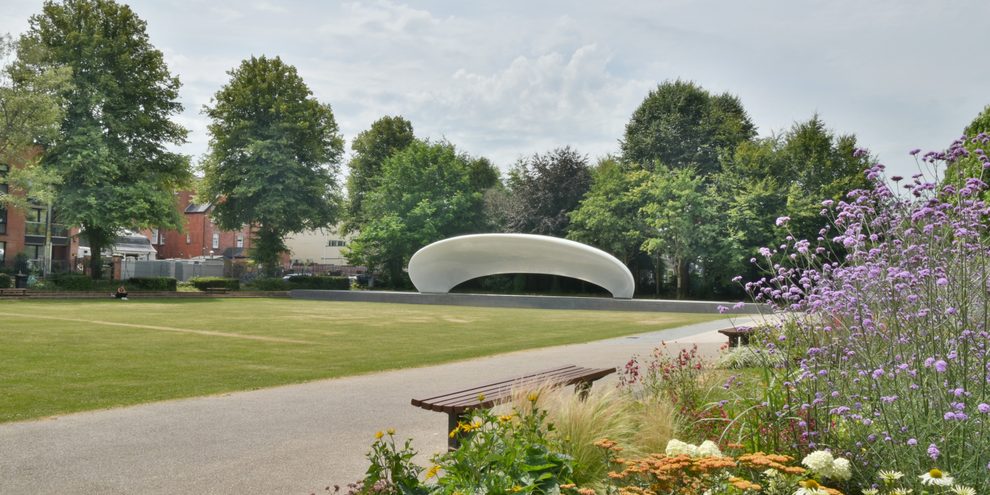
The Marina Promenade stretches 1.8 km along the River Lee in the leafy suburb of Blackrock, just a five-minute walk from the Marina Market. The original wall that runs along the side of the current walkway was built in 1761 to guide ships into Cork Harbour. Until recently, this route doubled as a bypass for drivers between the city and Blackrock Castle, and the town of Mahon — until it was fully pedestrianised in 2021.
Following a multi-million euro revamp in 2024, the promenade now features riverside balconies, seating areas and a café with well-integrated lighting throughout. Grab a coffee and watch one of the three rowing clubs of the Marina glide by, or take a short detour to the Atlantic Pond — a former Victorian-era reservoir that's now a tranquil spot for picnics and birdwatching.
Along the walk you'll see Barrington's Folly, a mock-castle ruin that played host to theatrical social gatherings in the 1810s. Just beside the pond is Páirc Uí Chaoimh, Cork's GAA stadium where the county's finest face off in hurling, football and camogie against rival teams.
Halfway along the Marina Promenade is a welcome stop for families, a playground with swings and slides that connects with the parallel route; the Old Railway Line Walkway. Opened in 1850, this was one of Ireland's first suburban railways and ran until 1932, during the advent of the motorcar. Today, the line connects Blackrock to Rochestown and beyond.

When to visit Cork
The best time to visit Cork is from late spring to early autumn, May to September. Average temperatures range from 12-16°C (54-61°F), with longer days and a lower chance of rain — making it ideal for sightseeing or a short city break. Cork is also a popular destination for St Patrick's Day in March and the Cork Jazz Festival in October, though the weather is far less predictable.
Insider tip: Even during peak summer, pack rain gear — Cork doesn't have a "dry season". More information in our Ireland packing guide.
| Month | Avg Temp | Chance of Rain | Travel Reality |
|---|---|---|---|
| Jan - Feb | 6°C (43°F) | 42-46% | Cold & Frequent Rain |
| Mar - Apr | 8-9°C (46-48°F) | 27-40% | Cool; Drier in April |
| May - Jun | 12-15°C (54-59°F) | 30-32% | Pleasant & Mild |
| July | 16°C (61°F) | 30% | Warmest, mixed showers |
| August | 16°C (61°F) | 31% | Warmest, mixed showers |
| Sept - Oct | 11-14°C (52-57°F) | 35-41% | Cooling & Rain returns |
| Nov - Dec | 7-8°C (45-46°F) | 45% | Cold & Frequent Rain |
How to get to Cork
Cork City is easily reachable via road and rail from all other major Irish cities and airports. Whether you're hiring a car, jumping on a train, or catching a bus, you've got multiple options below, as well as typical travel times and costs from key starting points across Ireland.
Insider tip: The local buses of Cork City and its surrounds are notoriously tardy, and can show up full — if they eventually do. If it's within your budget, taxis are a far more reliable option to get around.
| From | Mode | Duration | Typical Cost | Best For... |
|---|---|---|---|---|
| Dublin City | Train | 2.5 hrs | €22-€40 | Comfort & Speed |
| Bus | 3.5-4 hrs | €12-€25 | Budget Travelers | |
| Car | 3 hrs | €35 (Fuel+Toll) | Flexibility | |
| Galway City | Bus | 4-4.5 hrs | €20-€25 | Direct Route |
| Car | 2.5 hrs | €25 (Fuel) | Fastest Option | |
| Killarney | Train | 1.5 hrs | €12-€22 | Scenic Route |
| Car | 1.5 hrs | €15-€20 | Ring of Kerry Connections |
Last reviewed: January 2026 — travel times and prices are subject to change; please verify before booking.
Planning & practical info
Quick practical notes for planning your visit — accommodation, timing, and money matters are covered here.
Day trips from Cork
- Blarney Castle (15–25 min): Kiss the Blarney Stone and stroll the formal gardens — an easy half-day trip.
- Kinsale (30–40 min): A harbour town famed for seafood restaurants, colourful streets and coastal walks.
- Cobh (20–30 min): Maritime history, the Titanic Experience and access to Spike Island.
Drawbacks & accessibility notes
- Nightlife is smaller in scale than Dublin or Galway, great for a relaxed evening, less so for party seekers.
- Weather is changeable year-round — pack a waterproof layer and good walking shoes.
- Shandon Bells involves 132 narrow steps — not suitable for people with reduced mobility.
- Some attractions (Cork City Gaol, elevated north-side walks) involve hills and uneven surfaces.
How many days should I spend in Cork?
1 day covers the highlights; 2–3 days allows for a relaxing city visit plus one day trip; 4+ days is ideal for exploring West Cork and multiple day trips.
Is Cork safe for tourists?
Yes, Cork is generally safe for visitors. Use common-sense precautions at night and around busy transport hubs. Taxis are plentiful and reliable for late-night returns.
How much is the train from Dublin to Cork?
Train tickets from Dublin to Cork range from €20 to €25 one-way, depending on how far in advance you book and on what time of the day you intend to travel. Trains run regularly from Dublin Heuston Station to Cork Kent Station, and takes around 2.5 hours. Booking in advance on Irish Rail's website will often ensure the cheapest fares.
Where to stay in Cork
You'll find accommodation options in Cork City to suit all budgets and interests. If it's your first time, staying in the Victorian Quarter, close to Kent Train Station is ideal. The city centre is easily walkable, with an array of shops, café, restaurants and nightlife options on your doorstep. For a more low-key stay, check out Douglas or Blackrock — leafy suburbs with their own individual charm and abundance of amenities, with quick bus links into the heart of the action.
Insider tip: Beware of prices for Cork City accommodation spiking during events like the Cork Jazz Festival (the last weekend of October), and while concerts are being held in the Marquee or Páirc Uí Chaoimh.
| Accommodation Type | Typical Price (per night) | Pros | Cons |
|---|---|---|---|
| Hotels (3★–4★) | €130-€240 | Central locations Private rooms Daily housekeeping | Higher cost Lacks character May be busy/noisy |
| Budget Hotels &Hostels | €80-€120 | Affordable Great for solo travellers Great for socialising | Limited facilities Shared bathrooms Less privacy |
| Airbnb / Short-Term Rentals | €100-€160 | Homely feel Kitchen access Great for groups | Quality can vary Additional cleaning fees Less flexible check-in |
| Bed & Breakfast | €110-€140 | Breakfast included Homely feel Local advice | Remote locations Limited privacy Limited facilities |
In conclusion...
Yes, Cork is worth visiting. Cork is a vibrant city that deserves at least a couple of days' exploration. If you're already in the south-west of Ireland, it's a must. If you're short on time and only visiting Dublin for a few nights, prioritise Dublin, but if your trip allows, add Cork for a more authentic, food-forward Irish experience. Cork is compact enough to explore in a day yet offers enough for a relaxed multi-day stay. As the locals might say:
Other Travel Stories

A Day at Midleton Distillery Experience
An honest first-person account of a soft August morning in Midleton.
A Day Trip to Bunratty Castle and Folk Park
The 15th-century keep, the folk park village and the medieval banquet.
A Day Trip to Kilkenny City
Join us in Ireland's Hidden Gem of the South East — a city of medieval charm and energy.

A Day Trip to Muckross House and Gardens
Explore the 19th-century house, its gardens and lakeshore, before Torc Waterfall.
A Weekend on the Beara Peninsula
Escape to the country and get away from it all in this peaceful region of Ireland's South West.
Best way to tour Ireland
Options for touring Ireland — self-drive, coach tours, or private guides.
A Day Trip to Christ Church Cathedral, Dublin
Dublin's Viking cathedral and the 12th-century crypt that steals the show.

A Visit to Cork City Gaol
Restored cells, wax figures and the stories of Cork's 19th-century prison.
Spend a Day on Kenmare Bay
Plan your escape to this wonderfully remote area on Ireland's rugged west coast.
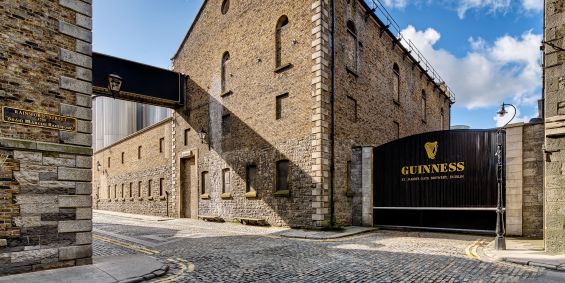
How to do Dublin in Just One Day
Get the most out of just 24 hours in Ireland's most visited and vibrant tourist hotspot.
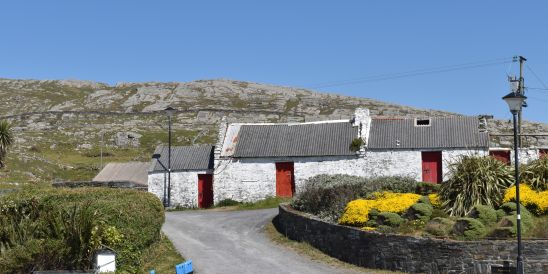
An island with 53 inhabitants
Inishturk Island. The school has just 3 pupils but the locals can still field a GAA team.
Westport on the Wild Atlantic Way
Welcome to Pirate Country! See the 365 islands of Clew Bay and enjoy unspoiled sandy beaches.
Slea Head drive vs the Ring of Kerry
Compare two of Ireland's most scenic coastal drives and decide which suits your tour.
A Day Trip to St Patrick's Cathedral, Dublin
Ireland's largest church, the Door of Reconciliation and the burial place of Jonathan Swift.
The English Lake District
Our journey to find the location of a framed landscape photo given to us as a wedding gift.
Clonakilty's Model Railway Village
Young and old will be fascinated by this impressive network of model villages and railways.
Westport on the Wild Atlantic Way
Welcome to Pirate Country! See the 365 islands of Clew Bay and enjoy unspoiled sandy beaches.
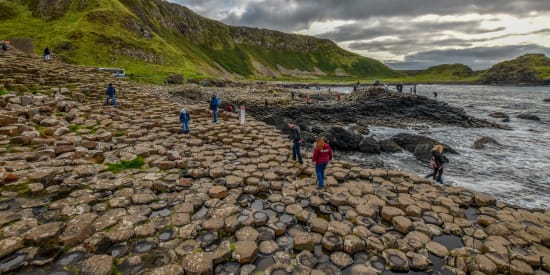
Must-see sights on a UK & Ireland tour
From Giant's Causeway to the Cliffs of Moher — highlights you shouldn't miss.

St Patrick's Day in Pictures
See St Patrick's Day as it is celebrated around the world (19 hilarious images)
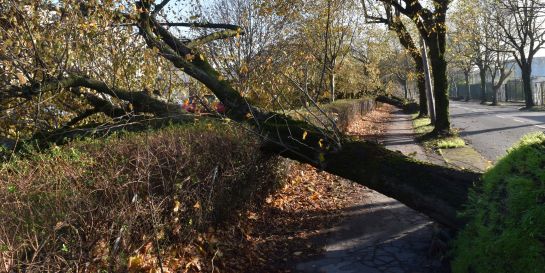
Images of Storm Ophelia
Images of the devastation as Ireland is battered by winds speeds in excess of 156 km/h.
Skiing the Galtee Mountains
After Storm Emma brought heavy snow to Ireland, we went skiing on Galtymore mountain.
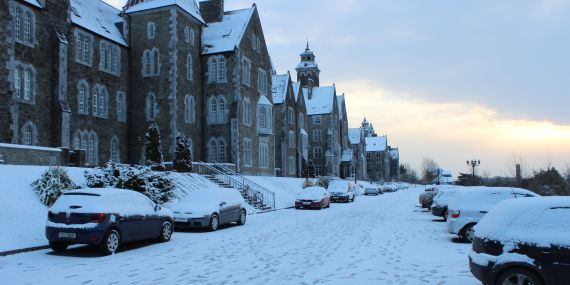
The Beast from the East
Heavy snow reaches Cork City as the infamous Beast from the East Storm makes landfall.
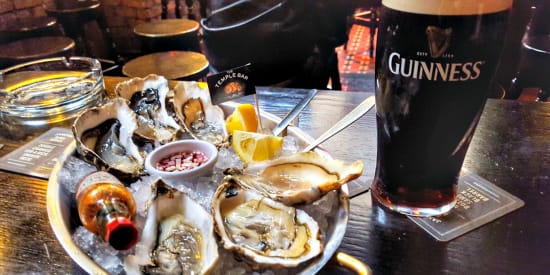
Best Irish traditional dishes
From hearty stews to seafood and market flavours — Irish food to try.
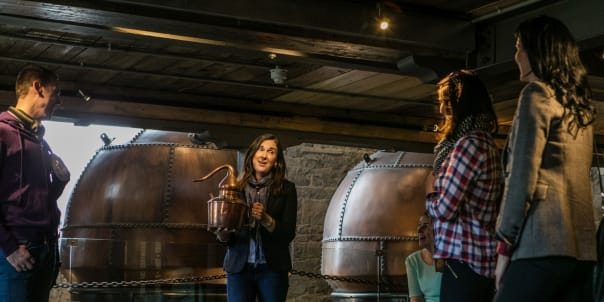
Irish Brewery and Distillery Tours
Tours and tastings at Ireland's popular breweries and distilleries.
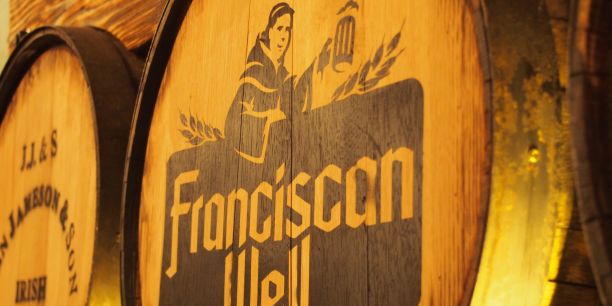
Franciscan Well: A Modern Irish Brewery
Take a tour and sample the goods on a visit to Cork's own Franciscan Well Brewery.
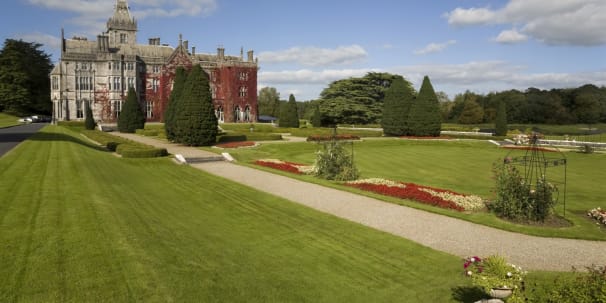
Ireland's best castles to spend the night
Sleep in historic surroundings — our pick of castles to stay overnight.
Pub culture in Ireland
Pubs are central to Irish life — music, conversation and local hospitality.