How to best explore Ireland?
Ireland can be discovered in countless ways — from self-drive journeys to fully guided tours. Some people enjoy the freedom to wander on their own, while others prefer the peace of mind that comes with a structured itinerary. There's no hard-and-fast "best way" to tour Ireland, but by knowing the pros and cons of each option — alongside your budget, time and interests — you can design the trip that's right for you.
What type of traveller are you?
- If you want full control — Self-Drive Tours
- If you prefer stress-free sightseeing — Group Coach Tours
- If you want luxury & personalisation — Private Tours
- If you’re on a tight budget — Public Transport
- If you want active, slow travel — Cycling & Walking
Quick comparison
| Type | Best for | Flexibility | Typical cost | Ease |
|---|---|---|---|---|
| Self-Drive | Independent travellers, photographers | High | Medium | Medium |
| Group Coach Tour | First-time visitors, solo travellers | Low | Medium | High |
| Private Tour | Luxury travellers, families | High | High | High |
| Public Transport | Budget travellers, backpackers | Low | Low | Medium |
| Cycling / Walking | Active, eco-conscious travellers | Medium | Low | Low |
1. Self-Driving Tours
By car, motorbike or campervan
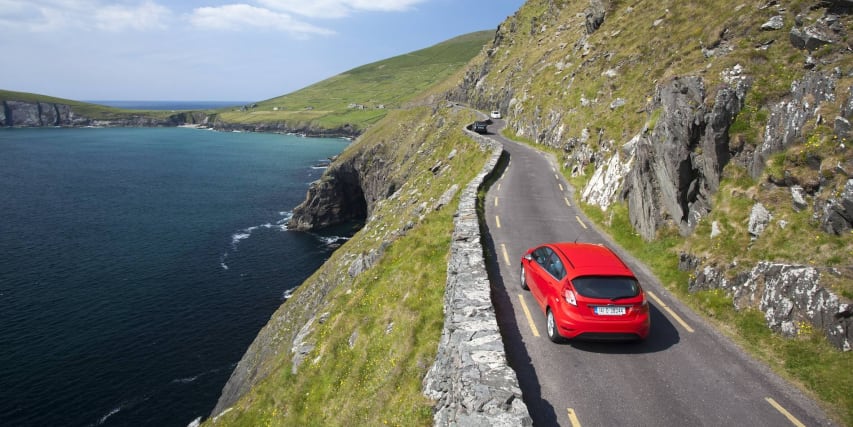
Renting a car, campervan or motorbike gives you full control over where you go and when. You can detour to a scenic viewpoint, linger in a charming village, or follow a back road simply because it looks inviting. For many visitors, this is the most rewarding way to experience Ireland, as it allows you to reach remote areas not served by public transport. That's where the magic happens: you can spontaneously explore, without limitations, and change your plans as you see fit.
Self-drive touring suits independent travellers and adventurers who enjoy planning their own routes and are confident navigating unfamiliar roads. It also appeals to photographers, outdoor enthusiasts and anyone keen to explore beyond major tourist hubs.
Advantages include the freedom to travel at your own pace, the chance to visit smaller towns and rural landscapes, and to adjust plans along the way. Campervans add convenience by combining transport and accommodation. Motorbikes provide a thrilling, direct connection to the environment with the added benefit of easier parking in towns and villages.
Considerations include driving on the left-hand side and adjusting to narrow, winding roads in rural areas. Automatic cars are less common than manuals, so early booking is strongly advised. For campervans, be aware that manoeuvring larger vehicles on Irish roads can be tricky. For motorbikes, good waterproof gear and flexible planning are essential. Find more information in our Ireland packing guide.
Driving on the left: is it hard?
- Most visitors adapt quickly. The main mistake is looking the wrong way at junctions — try to pause and breathe for the first hour.
- If you’re anxious, book an automatic car well in advance; they sell out early.
- Consider starting your road trip outside Dublin (for example in Cork or Shannon) to avoid heavy city traffic on day one.
- Take shorter driving days at first and plan regular stops; narrow country roads reward slow, careful driving.
When not to choose self-drive
- You don’t feel comfortable driving on the left.
- You have limited time and prefer a hands-off experience.
- You cannot find an automatic car for your travel dates.
2. Group Coach Tours
Organised group tours
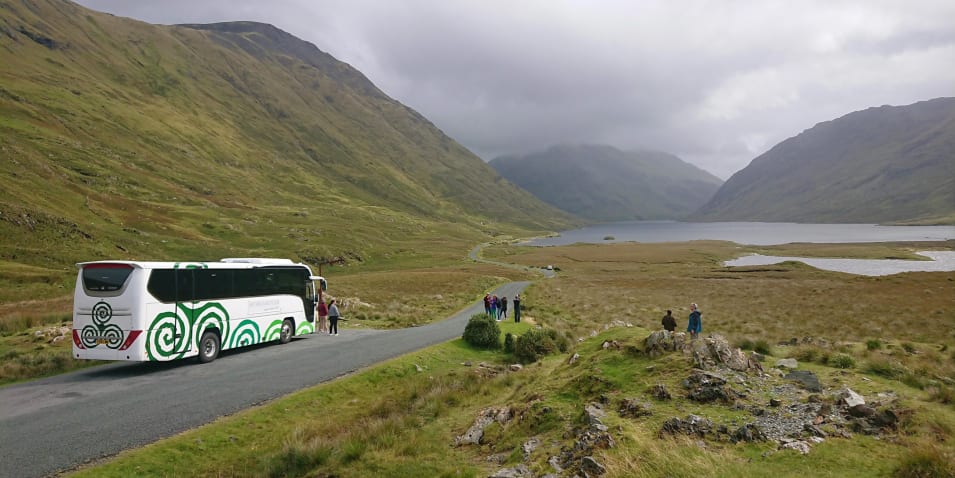
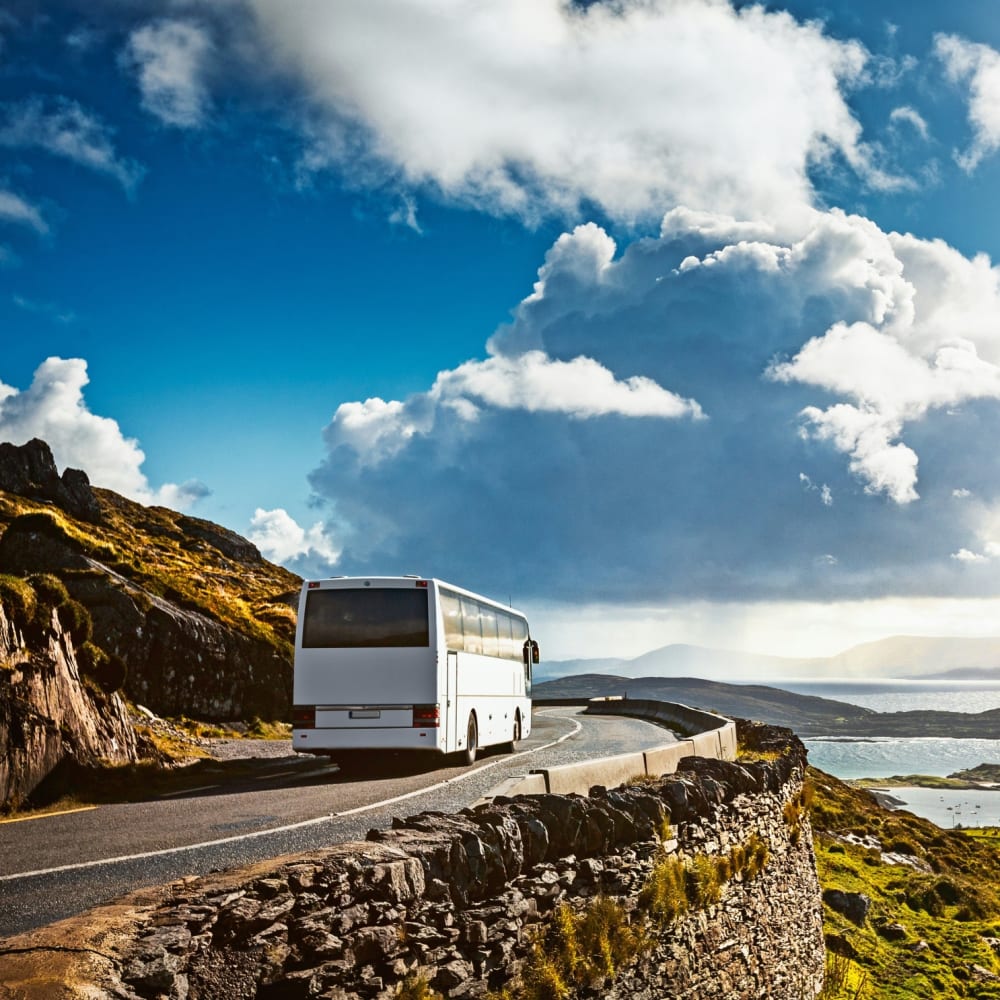
This option removes the need to plan routes, arrange accommodation or handle navigation. Multi-day itineraries cover popular destinations and often include meals and entry to major attractions, with a professional guide providing insights and storytelling along the way.
It suits first-time visitors, solo travellers looking for company, and those who prefer a structured holiday where everything is taken care of. It's also appealing if you want to maximise sightseeing without having to drive or organise the details yourself.
Advantages include convenience, expert guidance and the ability to see as many highlights as time allows (some tours run up to 14 days). Group tours also offer predictable costs, as transport, hotels and some meals are usually included.
Drawbacks are the fixed schedule and limited flexibility to linger in one place. You may spend less time in some locations than you'd like, and larger groups can make the experience feel less personal. Smaller-group tours are available for a more intimate experience.
When not to choose a coach tour
- You want to linger in a single place for longer than a tour allows.
- You prefer a completely bespoke itinerary.
3. Private Tours
Highly personalised tours

Hiring a private driver-guide provides a highly personalised way to explore Ireland. Your itinerary can be crafted to suit your interests, character and budget. You'll travel in comfort while a local expert handles the driving and offers useful insights on attractions and history along the way.
This option is ideal for luxury travellers, multigenerational families, private groups or anyone who wants to avoid the stress of navigating while still enjoying a fully customised journey. Explore sample itineraries for our private tours of Ireland.
Advantages include door-to-door service, flexible daily plans and in-depth local knowledge. A skilled driver–guide can introduce you to lesser-known sites, offer cultural context and adapt the route to suit your preferences — or the weather.
The main drawback is cost. Private tours can be significantly more expensive than other options. They also require early booking, particularly during peak seasons, as qualified driver–guides are limited and demand is high.
When not to choose a private tour
- You are travelling on a tight budget.
- You prefer maximum independence and spontaneous detours.
4. Independent Touring by Public Transport
Travelling by train or bus
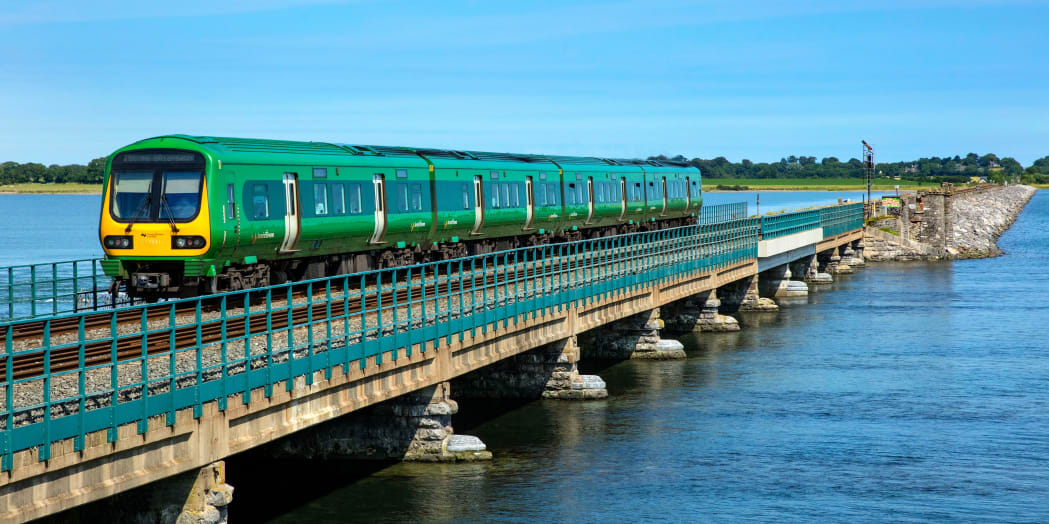
This means of travel lets you see Ireland without the need to drive. Irish Rail and Bus Éireann, along with regional bus services, connect most major cities and towns. However, rural coverage is limited, so public transport works best when your itinerary focuses on urban centres and popular tourist routes.
This approach suits budget-conscious travellers, backpackers and those who prefer a slower pace without the challenges of driving, while enjoying scenic views of the countryside and coastline.
Advantages include lower costs compared with car hire, no parking worries and the ability to relax en route. It's also a more sustainable choice for environmentally conscious travellers.
Drawbacks include limited access to remote areas, less frequent (or non-existent) service in rural regions and the need to plan around timetables. Journeys usually take longer than by car, and you may need taxis or local buses for the “last mile” to certain destinations such as your hotel or B&B.
5. Cycling and Walking Tours
For active travellers
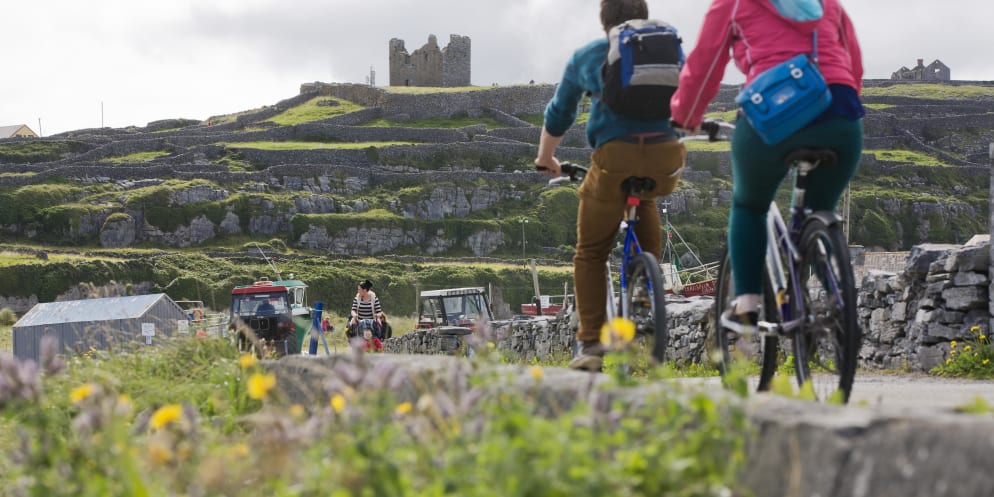
Touring Ireland by bike or on foot offers the most immersive experience as well as a more sustainable way of travelling. Guided and self-guided options are available, with established cycling greenways and long-distance walking routes providing safe, scenic paths.
Cycling tours are ideal for those who enjoy travelling at a slower pace, taking in the landscape in detail and stopping as often as they wish. Walking tours, whether day hikes or multi-day routes, are great for hikers and those seeking a deeper connection with nature.
Advantages include the ability to access areas not reachable by car, the health benefits of physical activity and a real sense of achievement from completing a route. They're also a great way to experience authentic Ireland and meet locals along your journey.
Drawbacks are that both options are weather dependent and require a good level of fitness. Luggage transfer services are often necessary for multi-day routes, and we recommend booking accommodation in advance along the trail to avoid last-minute hassles. You'll feel a deeper connection with your environment, but you'll cover far less ground.
For a deeper dive on exploring Ireland, and Britain, on foot, take a look at our City Tours of Ireland and Britain page.
6. Cruise Ship and Coastal Cruises
Explore Ireland from the sea

With over 3,000 miles of coastline, cruising is another way to experience Ireland, whether as part of a longer international voyage or through shorter coastal excursions.
Multi-day cruises may focus on Ireland alone, or combine it with Scotland, England or France. These trips visit major ports such as Dublin, Cork, Belfast and Waterford, offering shore excursions to nearby sights. They appeal to travellers who enjoy the comfort and facilities of a cruise ship while sampling different parts of Ireland without repeatedly packing and unpacking — though time on land is usually limited. You’ll find options ranging from a 3-night taster cruise, or luxury cruise escapes lasting up to two weeks.
Coastal day cruises are another great option for exploring from the sea. These trips operate from ports within Ireland and are popular with those based on land but looking for a day on the water. Examples include boat trips to the Skellig Islands, the Aran Islands or wildlife-focused tours along the coast.
Advantages include the convenience of unpacking only once on a multi-day cruise, the scenic approach to Ireland by sea and the ability to combine the country with other destinations. Day cruises offer unique coastal views and access to offshore islands.
Drawbacks include fixed itineraries, limited inland exploration and weather dependence for smaller vessels. On international cruises, time spent at each Irish port can be brief, making in-depth exploration difficult.
7. Multi-Modal Touring
Hybrid approach

Many travellers find that a combination of methods works best. A common example is to use public transport in cities, then rent a car for rural areas. You might arrive in Dublin, spend a few days exploring without a vehicle, then hire a car to tour the west coast, ride a bike for a few hours or hop on a day cruise, before returning your rental and taking a train to your departure point.
This hybrid approach suits travellers who want both the convenience of organised transport in busy areas and the freedom of self-drive in the countryside.
Advantages include flexibility, the chance to avoid city driving and the ability to tailor your itinerary to your comfort level (and the weather). It can also be more cost effective than hiring a car for the entire trip.
Drawbacks include the added complexity of coordinating different transport modes and the need to fit your plans around car-hire collection and return locations.
Sample itineraries
- 7-day highlights (coach): Dublin, Rock of Cashel, Cork City, Killarney, Ring of Kerry, Cliffs of Moher.
- 10-day (hybrid): Dublin → train to Galway (2 nights) — hire a car for a 3-day Connemara loop (3 nights) — coach to Killarney (2 nights) — return to Dublin.
- 14-day (self-drive): Anti-clockwise loop; Dublin to Belfast, Derry, Donegal, Sligo, Connemara, Galway, Clare, Kerry, Cork, Waterford and back to Dublin.
8. Final Thoughts
No one way fits all
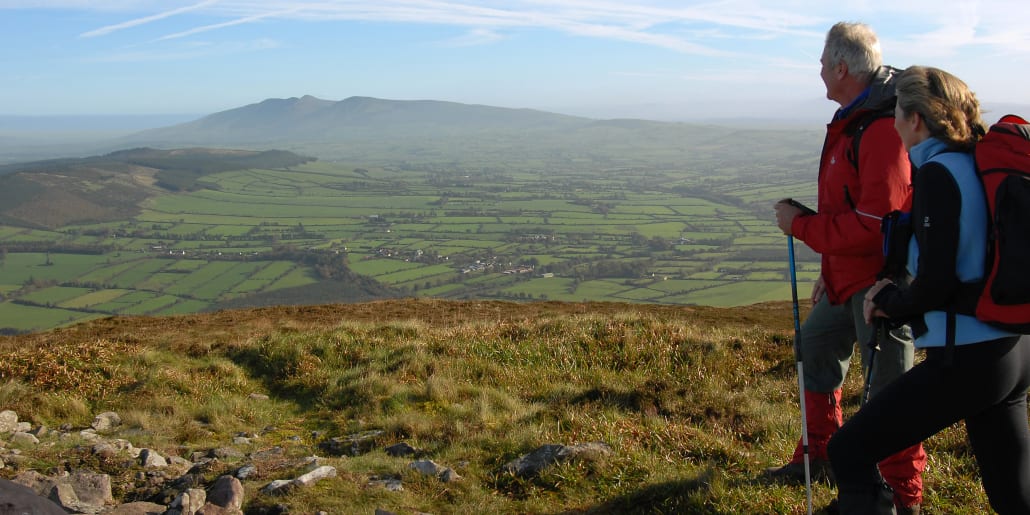
The "best" way to tour Ireland depends entirely on your preferences, confidence, priorities and how much time (and disposable income) you have. Independent travellers who want complete control may prefer a self-drive or hybrid approach, while those seeking convenience might opt for a coach tour or cruise experience. Private drivers offer a premium, personalised experience, and active travellers may find cycling or walking tours most rewarding.
By understanding the strengths and limitations of each option, you can choose the mode of travel that matches your style and helps you make the most of your time in Ireland.
Seasonality
Summer (June to August) is when Ireland is at its liveliest, with largest crowds and higher prices. Spring and autumn offer milder weather and fewer tourists; winter is quieter and cheaper but some rural services are reduced. Choose your touring style with seasonality in mind — for example, city-based travel works well in winter, while self-drive and outdoor-focused itineraries will be best suited to the summer and late spring.
Other Travel Stories

A Day at Midleton Distillery Experience
An honest first-person account of a soft August morning in Midleton.
A Day Trip to Bunratty Castle and Folk Park
The 15th-century keep, the folk park village and the medieval banquet.
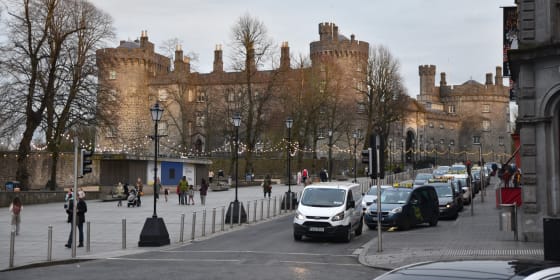
A Day Trip to Kilkenny City
Join us in Ireland's Hidden Gem of the South East — a city of medieval charm and energy.

A Day Trip to Muckross House and Gardens
Explore the 19th-century house, its gardens and lakeshore, before Torc Waterfall.
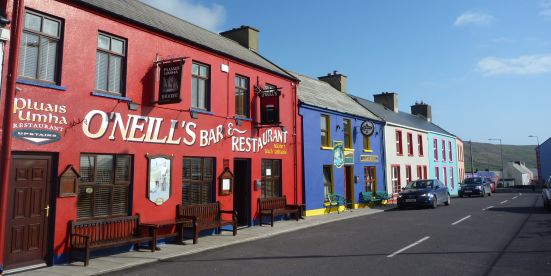
A Weekend on the Beara Peninsula
Escape to the country and get away from it all in this peaceful region of Ireland's South West.
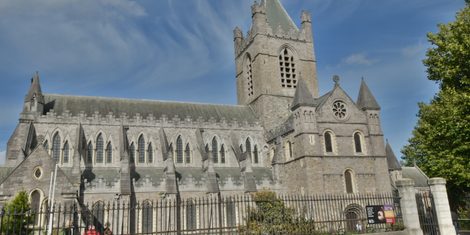
A Day Trip to Christ Church Cathedral, Dublin
Dublin's Viking cathedral and the 12th-century crypt that steals the show.

A Visit to Cork City Gaol
Restored cells, wax figures and the stories of Cork's 19th-century prison.
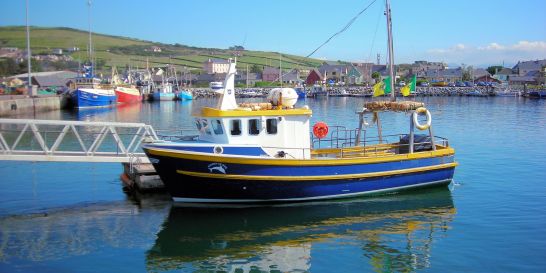
Spend a Day on Kenmare Bay
Plan your escape to this wonderfully remote area on Ireland's rugged west coast.
How to do Dublin in Just One Day
Get the most out of just 24 hours in Ireland's most visited and vibrant tourist hotspot.
An island with 53 inhabitants
Inishturk Island. The school has just 3 pupils but the locals can still field a GAA team.

Is Cork, Ireland worth visiting?
Cork City is compact and full of character — markets, historic sites and riverside walks.
Westport on the Wild Atlantic Way
Welcome to Pirate Country! See the 365 islands of Clew Bay and enjoy unspoiled sandy beaches.
Slea Head drive vs the Ring of Kerry
Compare two of Ireland's most scenic coastal drives and decide which suits your tour.
A Day Trip to St Patrick's Cathedral, Dublin
Ireland's largest church, the Door of Reconciliation and the burial place of Jonathan Swift.
The English Lake District
Our journey to find the location of a framed landscape photo given to us as a wedding gift.
Clonakilty's Model Railway Village
Young and old will be fascinated by this impressive network of model villages and railways.
Westport on the Wild Atlantic Way
Welcome to Pirate Country! See the 365 islands of Clew Bay and enjoy unspoiled sandy beaches.
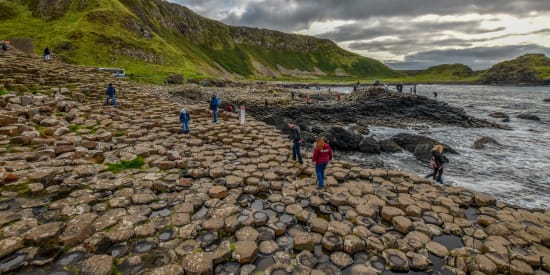
Must-see sights on a UK & Ireland tour
From Giant's Causeway to the Cliffs of Moher — highlights you shouldn't miss.

St Patrick's Day in Pictures
See St Patrick's Day as it is celebrated around the world (19 hilarious images)
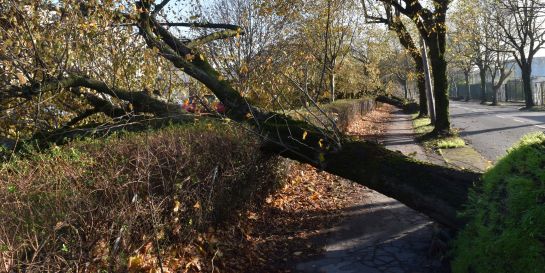
Images of Storm Ophelia
Images of the devastation as Ireland is battered by winds speeds in excess of 156 km/h.

Skiing the Galtee Mountains
After Storm Emma brought heavy snow to Ireland, we went skiing on Galtymore mountain.
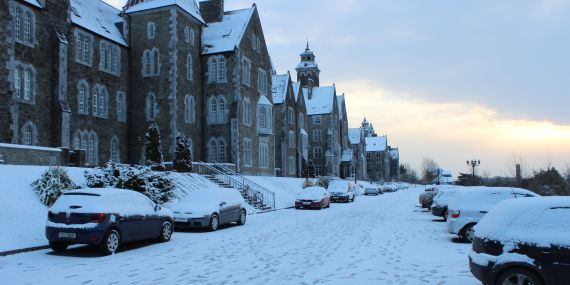
The Beast from the East
Heavy snow reaches Cork City as the infamous Beast from the East Storm makes landfall.
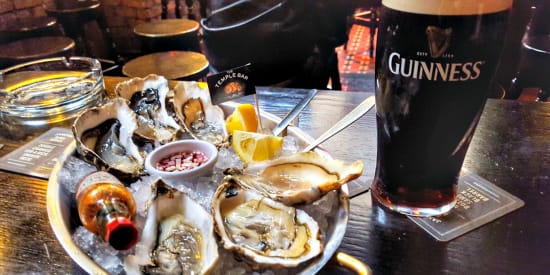
Best Irish traditional dishes
From hearty stews to seafood and market flavours — Irish food to try.
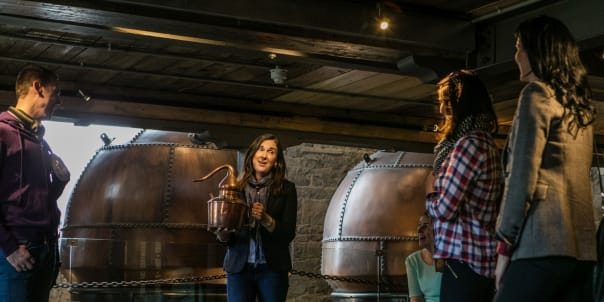
Irish Brewery and Distillery Tours
Tours and tastings at Ireland's popular breweries and distilleries.
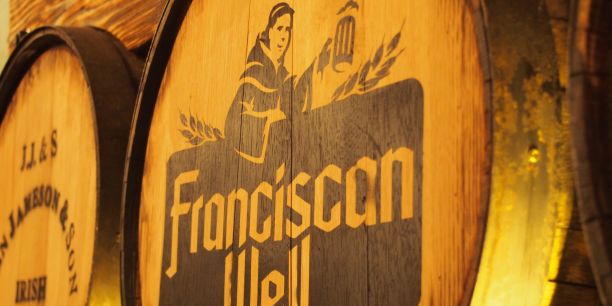
Franciscan Well: A Modern Irish Brewery
Take a tour and sample the goods on a visit to Cork's own Franciscan Well Brewery.
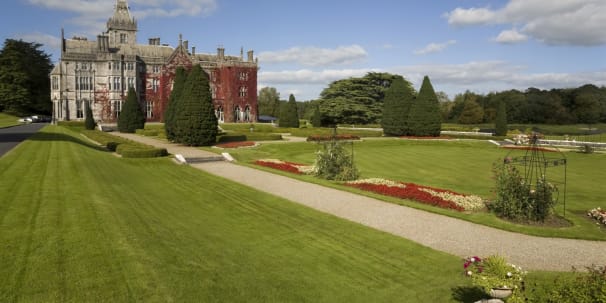
Ireland's best castles to spend the night
Sleep in historic surroundings — our pick of castles to stay overnight.
Pub culture in Ireland
Pubs are central to Irish life — music, conversation and local hospitality.