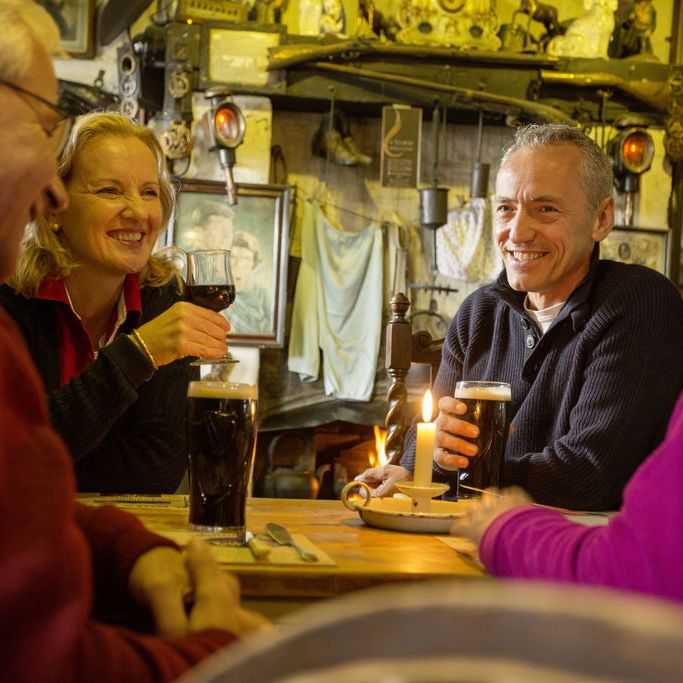
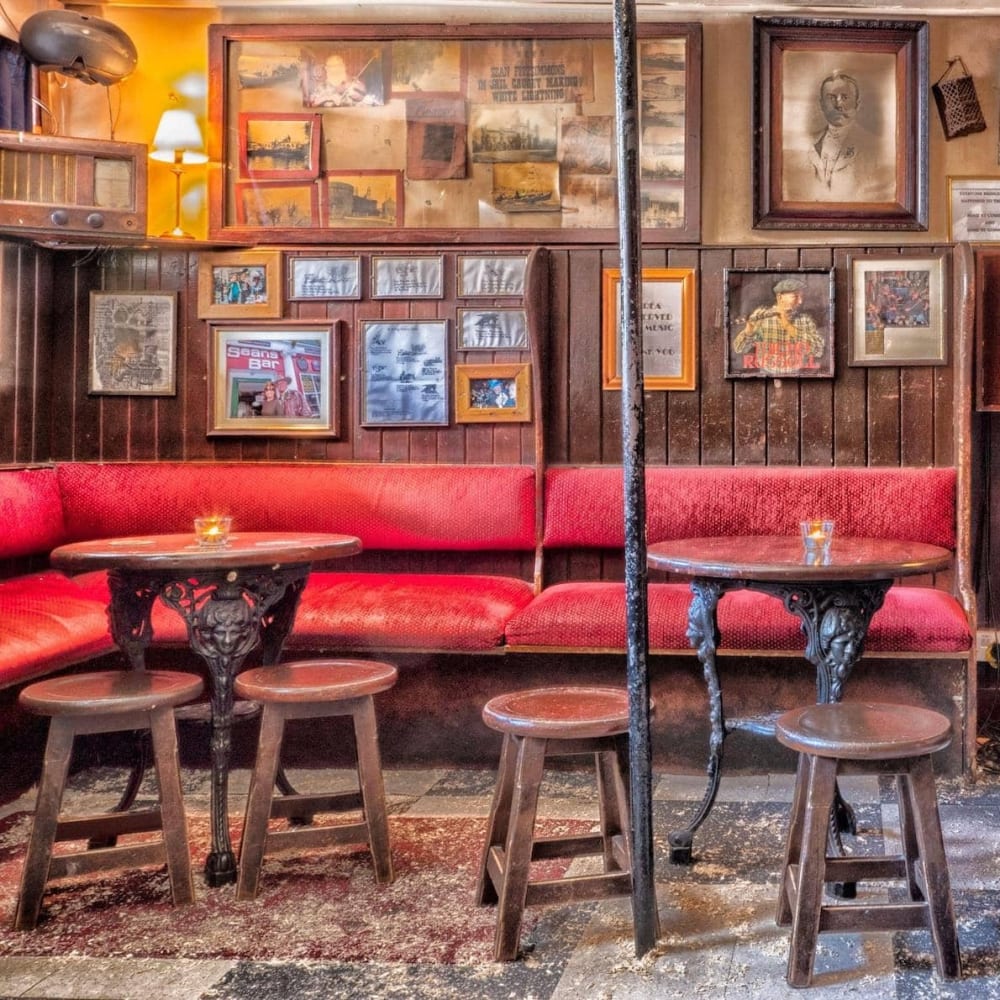
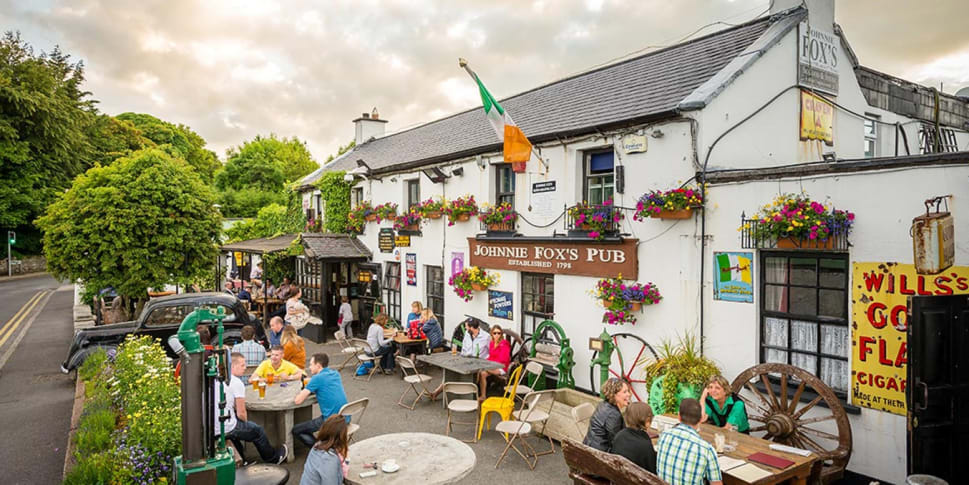
The traditional Irish pub lies at the heart of Irish culture. So, for many of our tour guests, visiting a real Irish pub sits high on their list of things to do during their time in Ireland. In our country, the local pub is more than a place to drink. It's a social hub. A community living room. Two-thirds of Irish beer is drunk in the pub rather than at home, making us Europe's most dedicated pub visitors (source). If you're touring Ireland for the first time, the pub is where you meet the people, hear their stories, and feel the local rhythm. There's so much more to an Irish pub than just the pint of Guinness you drink there.
What's in this article
Irish pubs in Ireland vs. the rest of the world.
Much like the Irish whiskeys and beers they serve, Irish pubs are one of Ireland's biggest exports. According to data from the Irish Pubs Global Federation, there are over 6,500 Irish pubs worldwide (source). But a traditional pub here in Ireland can be quite different from the international versions you might find abroad. For example, an Irish bar in North America can be a completely different experience to what you might discover in a small town or village while touring the Emerald Isle.
Pubs are part of daily life here. Historically, they were where people met to socialise, debate, sing and share news. And the same is broadly true today. People might go to the local pub after work, for a Sunday roast dinner, to watch a sports match, or just to see who else is out. In small villages, pubs can sometimes double as shops or community centres. Although the number of pubs in Ireland is shrinking, we still have one pub for every 684 adults here (source). So, here in Ireland at least, real Irish pubs are typically small but easy to come by.
The two types of Irish pub for tourists
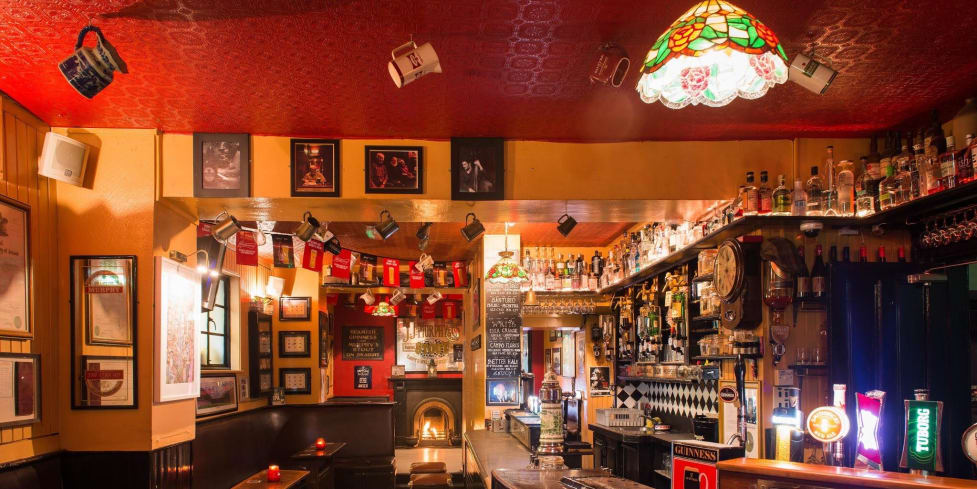
There are many different types of pubs in Ireland, but if you are visiting Ireland on a tour, then you might split them into two broad categories: 'touristy pubs' and 'authentic pubs'. If you're looking for a show that encompasses the best of traditional Irish music and dance, accompanied by good food and drink, then you can't do much better than a touristy Irish pub. You'll find these in all the major tourist hotspots, whether it's Dublin, Killarney, Galway or Cork. If you're in Ireland for more than a few days, it's very likely that your tour will feature a pub like this.
Pub Etiquette Essentials
Whether you're visiting a bustling city pub or a quiet rural local, these practical guidelines will help you navigate Irish pub culture with confidence and respect.
The Do's
- Order at the bar and bring your drink to your seat
- Return the favour if someone buys you a drink
- Wait for your stout to settle before drinking (typically two pours)
- Say "sláinte" (slawn-cha) when toasting
- Ask the bartender to recommend a local brew or whiskey
- Strike up a chat with locals who are mingling near the bar
The Don'ts
- Expect table service unless it's a gastropub or restaurant
- Over-tip — it's not standard practice (a small tip for excellent service is appreciated)
- Interrupt private groups who are cloistered in 'snugs' away from the bar
- Bow out of rounds early without notice
- Shout over traditional music or interrupt a storyteller mid-flow
- Take offence if someone teases you - it's probably just the 'craic'
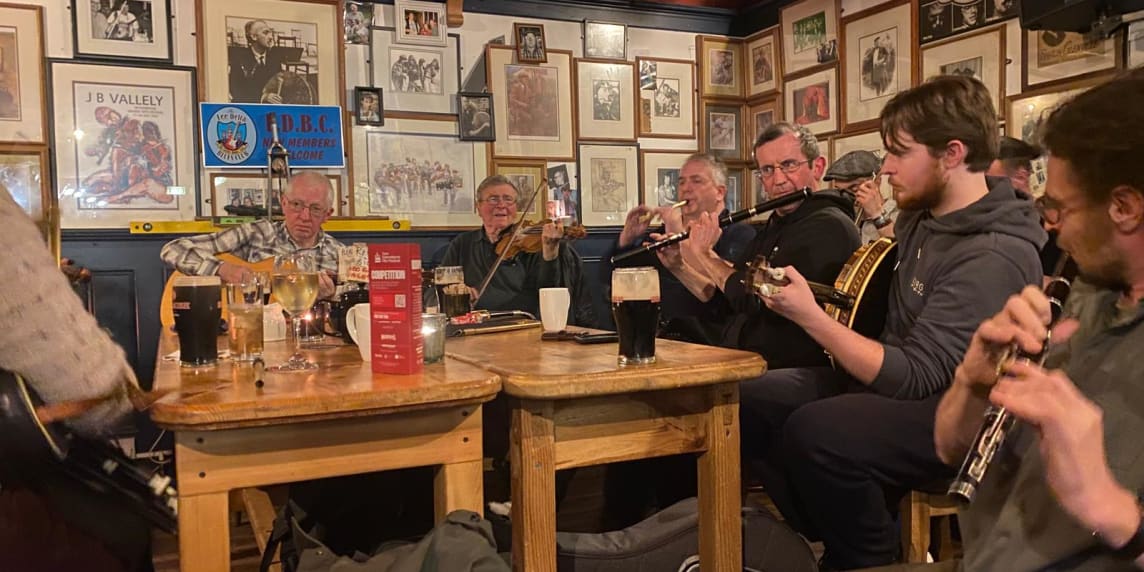
However, if you're looking for a more authentic experience, then you'll probably want to seek out a local pub that is off the beaten track. These pubs are often family-owned and run, and they tend to be frequented by locals rather than tourists. Here, you'll find a more relaxed atmosphere, where you can chat with the locals and soak up the real Irish pub experience.
Experiencing a 'real' Irish pub
If you're visiting Ireland on a tour, it's very likely that your driver-guide will take you to a touristy pub where a show or event will be hosted by a local expert. This page is intended more for people who want to go off the beaten track and experience real Irish pub culture for themselves.
Fortunately for us, My Ireland Tour has its very own Irish pubs expert in the form of Senior Website Editor James Walsh. A proud Corkonian, James's favourite tipple is a pint of Beamish — a rich and robust stout brewed in Cork since 1792. So I caught up with him over a pint of the black stuff to get his take on Irish pub culture and what tourists and visitors should know before they step inside a traditional Irish pub for the first time.
Where should I go looking for an authentic local pub?
James Walsh
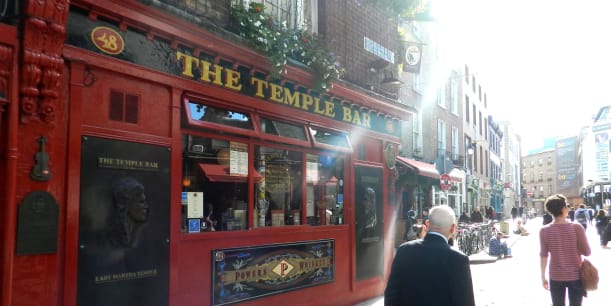
"If you're looking for a real Irish pub, I'd recommend staying away from the usual hot spots like Temple Bar where you can pay through the nose for a round of drinks. Generally, those places have loud music and "top of the morning" souvenirs on the wall. Visit them once and then leave them off. If you're looking for a proper pub experience with the locals, just walk five minutes away from the tourist centres and find a pub that looks like it has unpolished, authentic character. Ask your tour driver-guide, the receptionist in your hotel or even a local on the street where they would go for a pint themselves."
What is the first thing I should do when I walk through the door of a traditional Irish pub?
James Walsh
"Just walk straight up to the bar, order your drink, and then go find your spot. Most traditional bars aren't serving food, so there is no menu and no "wait to be seated" sign. You just talk to the barman or woman, get your pint, and then pick a seat. If the bar is crowded, it's totally acceptable to just float around standing up while you wait for a table."
How can I tell the difference between a pub that is primarily for drinking and one that offers a full dining experience?
James Walsh
"Lots of pubs in Ireland serve food, and the standard of catering can be very high, even if the menu might be traditional and unpretentious. Most bars that serve food will have a "Please wait to be seated" sign or a chalkboard with daily specials right at the entrance. You can instantly spot them because they'll have place settings with knives and forks on the tables. In those spots, you'll usually get waiter service for all your food and drinks, and you'll get a bill at the end of the meal. If there are no menus in sight and people are just sitting with pints, it's likely a drink-only establishment. If you're unsure, just ask at the bar."
If I'm drinking alone and I want to strike up a conversation with the locals, where is the best place to sit?
James Walsh
"Drinking alone is actually very common in Ireland, so there's no social awkwardness about that. If you're by yourself, but you want to chat to other people, then just sit at the bar as those are usually the most sociable spots. There are always people there on their own who are willing to have a chat and share some general "craic". If the barman hears your accent, you're fair game for a million questions because Irish people love to hear about where you're from. However, if you want to be left alone, look for a "snug," which is a secluded little area tucked away from the main bar."
Is it worth stopping in for a drink if I only have 20 or 30 minutes before my tour bus leaves?
James Walsh
"Absolutely. Even if you don't have long, it can be worth popping into a quiet pub. You might have to let the Guinness settle for the first few minutes, but it's still a great way to spend a quick break. Don't bother finding a seat — just hover by the bar and enjoy a quick pint. Just keep in mind that while a quick drink is fine, service for food in Irish pubs can be slow and you'd want to allow a lot more time for that."
What do I need to know about the 'Round System' to avoid making a social mistake?
James Walsh
"The round system is basically a loop: I buy a drink for you and me, and then when we're finished, you go up and buy the next one for both of us. This can happen with two people or a whole group of drinkers. The absolute "golden rule" is to never duck out when you know you are next in the round. If you're unsure or it's getting complicated, just ask your companions — believe me, people are always happy to tell you when it's your round!"
If I've been included in a round of drinks but I'm ready to head home, how do I 'ethically' exit the group?
James Walsh
"This is a classic dilemma! Okay, so if you want to leave but it's your turn to buy, you should offer to get the round but choose not to get a drink for yourself. As long as you are covering everyone else's drinks before you go, you've ethically stepped out of the system with no issues. If you just vanish right when it's your turn to pay, that's considered a "cardinal sin" in an Irish pub. It's better to be overly generous than to leave people waiting on a drink you owed them."
Real Irish pubs can look quite dated. Why the stereotype of dim lighting, mismatched furniture and stained glass?
James Walsh
"Yeah, they can be pretty dingy, all right. The whole point of a traditional pub is that it's supposed to feel like a "public house," almost like you're in a neighbour's living room. When places renovate and make everything clinically bright and modern, they often lose all their customers. People love the darkness and the comfort because it helps you relax and escape the pace of modern life. It's a social leveler where it doesn't matter what you're wearing or what you look like."
If a local I've been chatting with suddenly vanishes without saying goodbye, should I be offended?
James Walsh
"Ha, not at all — that's just the "Irish Goodbye." People do it because they have a fear of the "Long Goodbye," where you try to leave but end up talking in the hallway for another thirty minutes. If someone you've been bantering with just disappears off the face of the earth, don't think you insulted them. They probably just wanted to get a jump on the taxi queue or the kebab shop before the closing time rush."
What are the signs that a pub is about to close, and how much time do I have once 'last call' is announced?
James Walsh
"The classic sign for "last call" is when the bar staff starts flicking the lights or ringing a bell. Once that happens, you usually have about three minutes to get to the bar and order your final drink. After the bar actually closes, most places are quite generous and will give you about thirty minutes to finish your drink before they boot you out. It's a bit like the kitchen shutting down—they'll start cleaning around you while you finish up."
Which are the ladies' and gents' toilets? (Mná and Fir)
In Irish pubs, it's common to see the Irish Gaelic naming for ladies' and gents' toilets. On a first visit, this can be very confusing. The ladies' toilet is often marked as "Mná" (pronounced "mown-ah"), while the gents' toilet is labeled "Fir" (pronounced "feer"). If you're ever unsure, just ask a member of staff for assistance.
Can children and families go to the pub?
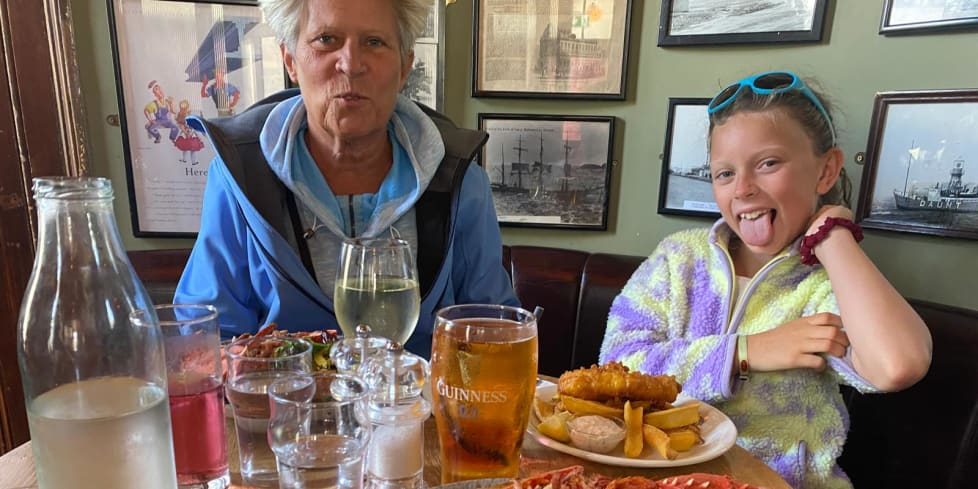
Yes, children under 15 are usually welcome in pubs between 10:30am and 9:00pm when accompanied by an adult.
How much is a pint of beer?
The national average for a pint of beer is €5.80-€6.10. In remote rural areas, the prices are lower, averaging around €5.50. But in the most touristy areas of the major cities, especially Temple Bar in Dublin, prices for a pint of beer can be as high as €11.
Is there table service in an Irish pub?
Usually drinks are served at the bar in an Irish pub. However, if you are ordering food then this can vary from pub to pub. Some pubs have waiter service for food, while others require you to order at the bar.
How do I get the attention of bar staff?
Queuing at a bar in Ireland is quite informal. People do not wait in a long line, instead they stand side by side at the bar. Usually the bar staff will have a good mental picture of who arrived first, but it is important not to cut the queue. If you are unsure, just make eye contact with the bar staff and they will acknowledge you when they are ready to take your order.
Should I tip the bar staff?
Generally, no. Tipping for every drink is not expected or customary in Ireland. However, if you have received exceptional service throughout your time in the pub, leaving a small tip when you order your final drink will always be appreciated.
Is there a dress code?
Most Irish pubs have no dress code at all. They are a come-as-you-are affair. You could be on your way to the theatre wearing an evening dress and find yourself next to someone at the bar who is wearing dirty clothes from a day of manual work. In Ireland, the pub is a social leveler where it doesn't matter what you're wearing or what you look like.