Welcome to Cork City
Like the majority of Ireland's cities, Cork is best explored on foot. A wander through Ireland's Rebel City, or "The Real Capital" as the locals call it, is a great way to soak in its true character, and meet its true characters. With a population of just over 222,000 people, Cork City is known for its welcoming atmosphere, great food and historic landmarks — clustered together within easy walking distance of one another. So, if you're looking to take in the highlights of Cork City, in one day, here's our tried and trusted route!
What's in this guide
Jump to a section:
A walking tour of Cork City, Ireland
The route below is a circular walk through Cork — from City Hall, through the university quarter and Fitzgerald's Park, back into the centre for lunch at The English Market, and up to Shandon Bells.
Cork City Hall
Before the advent of mobile phones, Cork City Hall was the designated meeting point for people coming into the city. Thanks to its central location and historic relevance, it also makes for a good starting point for a walking tour. The structure we see today was completed in 1935 after the original building was destroyed during the Irish War of Independence. You'll find iconic examples of Edwardian architecture dotted throughout the exterior, and inside there are numerous elegant halls, meeting rooms and a reception area. 30 to 40 minutes here will give you ample time to explore. Most areas of Cork City Hall are open to the public during office hours.


St. Fin Barre's Cathedral
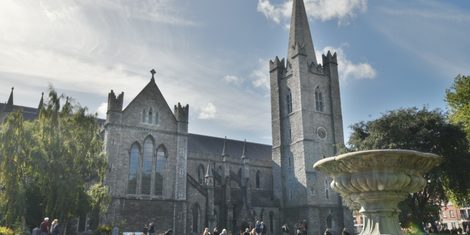
A 10-minute walk west from Cork City Hall brings you to St. Fin Barre's Cathedral. Built in honour of St. Finbarr, the patron saint of Cork City, in the 19th century, the cathedral sits proudly on the southern banks of the River Lee. Its Gothic Revival architecture includes complex stonework, elaborate stained-glass windows and three spires. The gardens of the cathedral feature beautifully kept gardens, a graveyard and epic views of Cork City to the east. St. Fin Barre's Cathedral hosts daily worship and Sunday services, and guided tours of the interior are available for a fee.
University College Cork
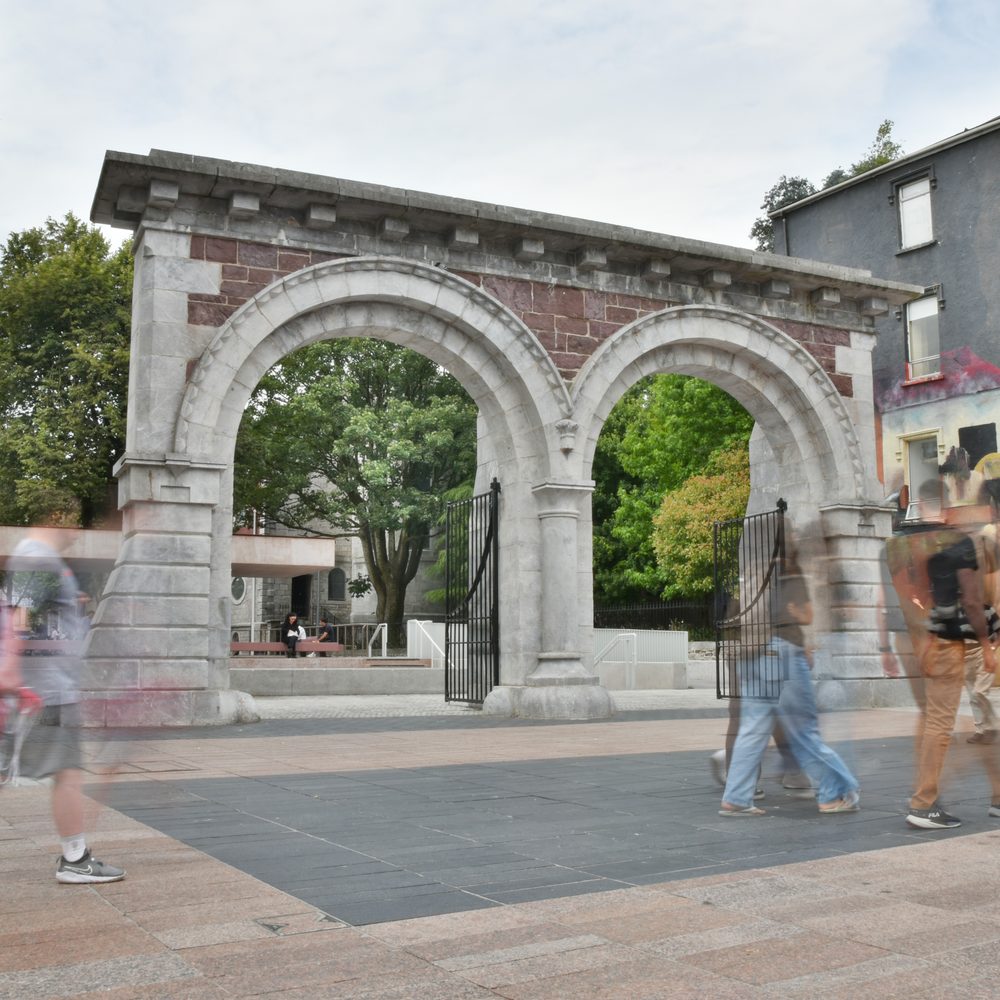
Heading further west, and along College Road, you'll find University College Cork. College Road is lined with student housing, awash with activity during the school year but relatively quiet during the summer months. First opened in 1845 by Queen Victoria, as one of the three Queen's Colleges (the other two being Galway and Belfast), it has been known as University College Cork since 1908. Today, the college is attended by over 21,000 students, and in 2017 reportedly had 150,000 alumni worldwide. You could easily walk around its beautiful campus all day, taking in the manicured lawns, quaint bridges over gushing streams, and 150-year-old Giant Redwood trees — but going a little more briskly will allow you to see all of its highlights in 40 to 50 minutes.


Fitzgerald's Park
Heading north, across the road from the main gates of UCC, you'll find Fitzgerald's Park. Located on the banks of the River Lee, Fitzgerald's Park is an 18-acre public park featuring a museum, a cricket club, a skate park and stunning views of some of Cork City's most sought-after houses — located across the river in the Sunday's Well area. For those whose feet might be starting to ache, there is a coffee shop with both indoor and outdoor seating, and during the summer months, there are numerous coffee stalls just outside the park on Mardyke Walk. Insider tip - there is also an ice cream van on the western edge of the park, near the "shaky bridge" the pedestrian bridge that connects the north and south banks of the River Lee. Crossing this bridge, officially known as Daly's Bridge, allows you to explore Cork City's Northside, including Shandon Bells and the Cork Butter Museum. But, with lunch in mind, we're going to head back through the park, heading east — towards the city centre.
Lunch at The English Market
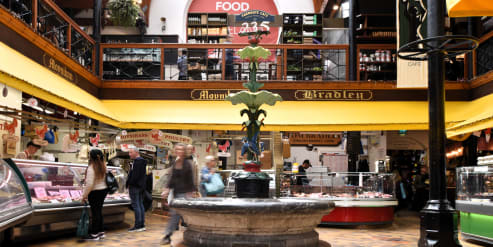
Located 20 minutes from Fitzgerald's Park, walking eastwards along Washington Street — which is Cork's hub of restaurants and pubs — brings you to the Grand Parade. Here you'll find The English Market, named by the British government in 1788 to distinguish it from The Irish Market on nearby Cornmarket Street. The English Market is known for its abundance of fresh, local produce, including numerous butchers, delis, coffee shops, fishmongers, bakeries, sushi stalls, ice cream parlours and everything in between. It's the ideal place to stock up on ingredients for your kitchen, but also to grab a lunch of endless variety from one of the stalls offering fresh bread, hot dogs and sushi. Or, to "save the shoe leather", head to the centrally located, sit-down restaurant overlooking the butcher and bakery section of the market.


Shandon Bells
Heading north along Patrick's Street — Cork's main shopping thoroughfare — you'll find the city's most famous landmark and one that defines its skyline, Shandon Tower. Locally known as Shandon Bells and officially known as St Anne's Church, the tower is a must-see on any visit to Cork and has a unique bond with the city. The Red and White of Cork, worn by its sports teams and proudly featured in flags dotted throughout the city, is said to have originated from the limestone and sandstone used in the building of the tower, circa 1722. You can ring the famous Shandon Bells for a small fee and after a climb of the tower's 132 steps. The views of Cork City from here, at a height of 120ft, are unrivalled. The four clock faces of the tower are also worth an inspection. Known as the four-faced liar, as not one of the clocks is said to tell the same time as the others.
Evening
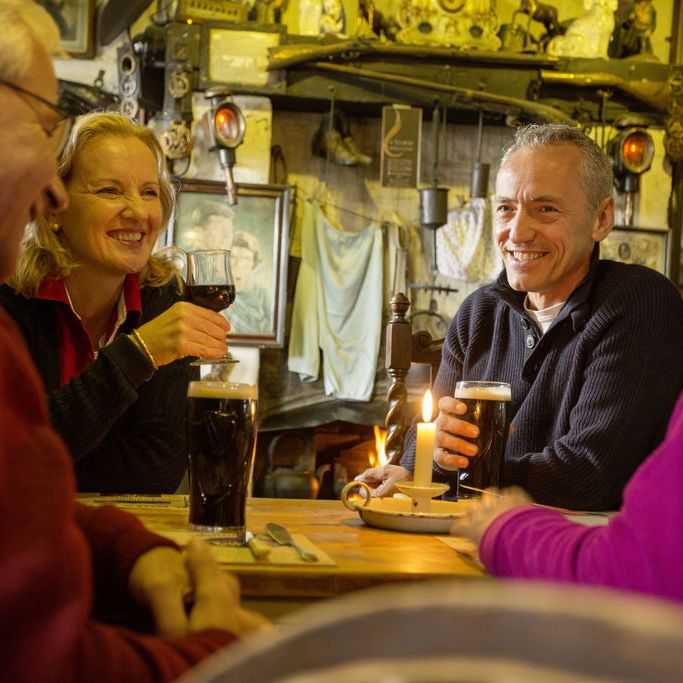
Cork is known across Ireland as a friendly city that prides itself on its food, and knows how to party. You'll find the most popular bars and restaurants along Washington Street and nearby Oliver Plunkett Street. For Cork's Nightlife with all the trimmings, head to Rearden's Bar on Washington Street or An Bróg Bar on Oliver Plunkett Street. And for its best-reviewed restaurants, you'll want to check out Liberty Grill on Washington Street or Market Lane on Oliver Plunkett Street. By the way, booking well ahead of time is a must for both these restaurants. Insider tip - to get a taste of the "Real Cork" nightlife, take a stroll down any of the numerous side streets off Washington Street and Oliver Plunkett Street. A hidden gem is The Castle Inn (no website here, you'll have to ask a local) on North Main Street. If you've ever wondered what it would be like if someone dropped a rural pub from the 1950s into the middle of a present-day city, look no further. By the way, the hunt for the best pint of Guinness in Cork also ends here!
For craft beer fans, the Franciscan Well Brewery on North Mall is a short walk from the city centre and well worth a visit.

Walking tour of Cork City Map
Other Cork attractions
If you're looking to go a bit deeper, or a bit further afield, here are some other Cork attractions that may be of interest.

Blarney Castle
Just 8 km from Cork City, Blarney Castle is famous for the Blarney Stone. Kiss the stone and you'll reportedly gain the gift of eloquence. The castle grounds are also beautiful to explore.
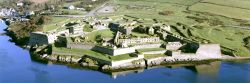
Kinsale
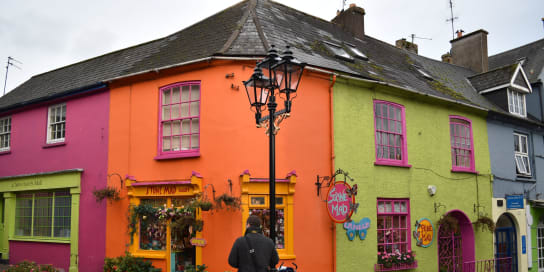
A picturesque fishing village just 25 km south of Cork, Kinsale is famed for its narrow streets, colourful buildings, and excellent restaurants. Explore Charles Fort and take in views of the scenic harbour.
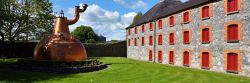
Jameson Distillery
Located in nearby Midleton, the Jameson Distillery offers guided tours and tastings. Learn the history of Irish whiskey and enjoy a complimentary glass at the end of your tour.

Cobh & Titanic Centre
Located on a picturesque harbour about 25 km from Cork City, Cobh is known for its colourful Victorian architecture and role in maritime history. Visit the Titanic Experience Centre to learn about the ship's connection to Cobh.
This content has been reviewed and is considered up to date as of January 2026.