While Ireland is a relatively small country packed full of world-famous attractions, don't let the map fool you. It is a fantastic destination to explore in a week, but getting around is an experience in itself.
What's in this article
Jump to sections:
Is 7 Days Enough for Ireland?
Yes, absolutely! Seven days gives you enough time to experience Ireland's highlights without feeling rushed. The key is understanding that Ireland rewards quality over quantity — it's better to explore fewer places deeply than to race across the entire island. By choosing a smart route and using the "hub and spoke" method (staying in 2-3 base locations), you can see stunning Irish landscapes, historic sites, and vibrant local towns while still having time to relax and soak in the atmosphere.
Tour Design and Operations Manager for My Ireland Tour — Shauni, gives advice to add just one day to your tour planning if you can. "If you have the flexibility to add an extra day for an 8-day itinerary, it can make a huge difference. It allows you to slow down, spend more time in each place and maybe even discover a hidden gem!"
The Reality of Driving in Ireland
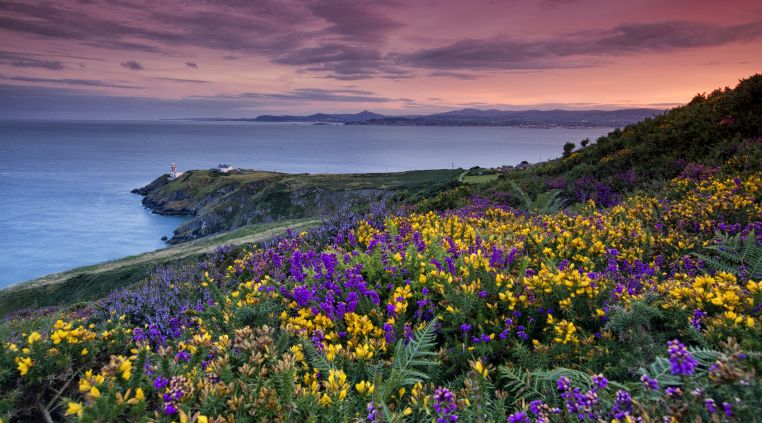
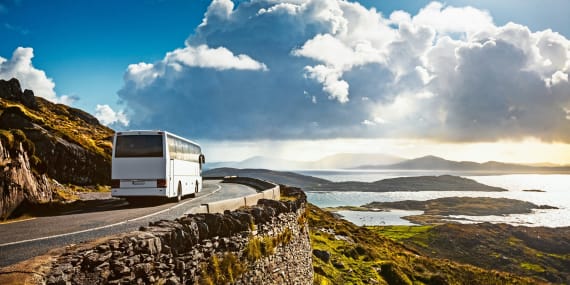
While the road network offers picturesque views and stunning landscapes — far more scenic and green than the industrial highways of other European countries — the driving pace is much slower than many visitors expect.
As our in-house expert Shauni points out, visitors (especially those traveling from North America) are often surprised by the reality of Irish roads. "People are used to very fast connections between cities," she explains. "In Ireland, a 70-kilometer drive might take you 70 minutes — or much longer." Once you get off the main motorways and head toward places like Connemara or the Cliffs of Moher, you'll be navigating narrow, winding country roads. You'll need to get used to driving on the left, sharing two-way lanes that feel like one-way streets, and occasionally slowing down for a tractor! It's incredibly beautiful and easy on the eye, but it's exactly why we recommend taking your time and not over-scheduling your daily driving hours.
7-Day Itinerary of Ireland
The Classic
The Classic is a seven-day itinerary of Ireland that fits in the greatest hits and the must-see destinations. If you don't want to arrive back home and have to explain why you didn't see 'insert World-Famous-Irish-Attraction here, the one that your friends and cousins and neighbours and work colleagues will definitely ask you about!', then this is the week-long trip for you.
Day 1 — Arrive in Dublin & Head West to Galway
Instead of staying in the capital right away, our expert Shauni recommends heading straight west to set up your first "hub." Travel to Galway City (about 2.5 hours by car or bus) to settle into your accommodation for a two-night stay. Enjoy a relaxed evening taking in Galway's bohemian, artisan vibe and cobblestoned streets without the stress of moving hotels tomorrow.
Day 2 — Galway & Connemara
Using Galway as your base, spend the day exploring the rugged beauty of Connemara on the western coast. Visit the majestic Kylemore Abbey, the town of Clifden, or simply take in the sweeping Atlantic views. Since you're staying in Galway again tonight, you can enjoy a full evening of traditional music and pub culture without having your luggage in tow.
Day 3 — The Cliffs of Moher & The Burren
Today, travel south toward your next base in Kerry. Along the way, you'll pass through County Clare to see the unforgettable 214m drop of the Cliffs of Moher. When travelling through the rocky landscape of the Burren, Shauni highly recommends booking an interactive experience to break up the drive — such as a local sheepdog demonstration or a visit to a falconry center. Arrive in Killarney to settle in for your next two nights.
Day 4 — Kerry (Slea Head Drive)
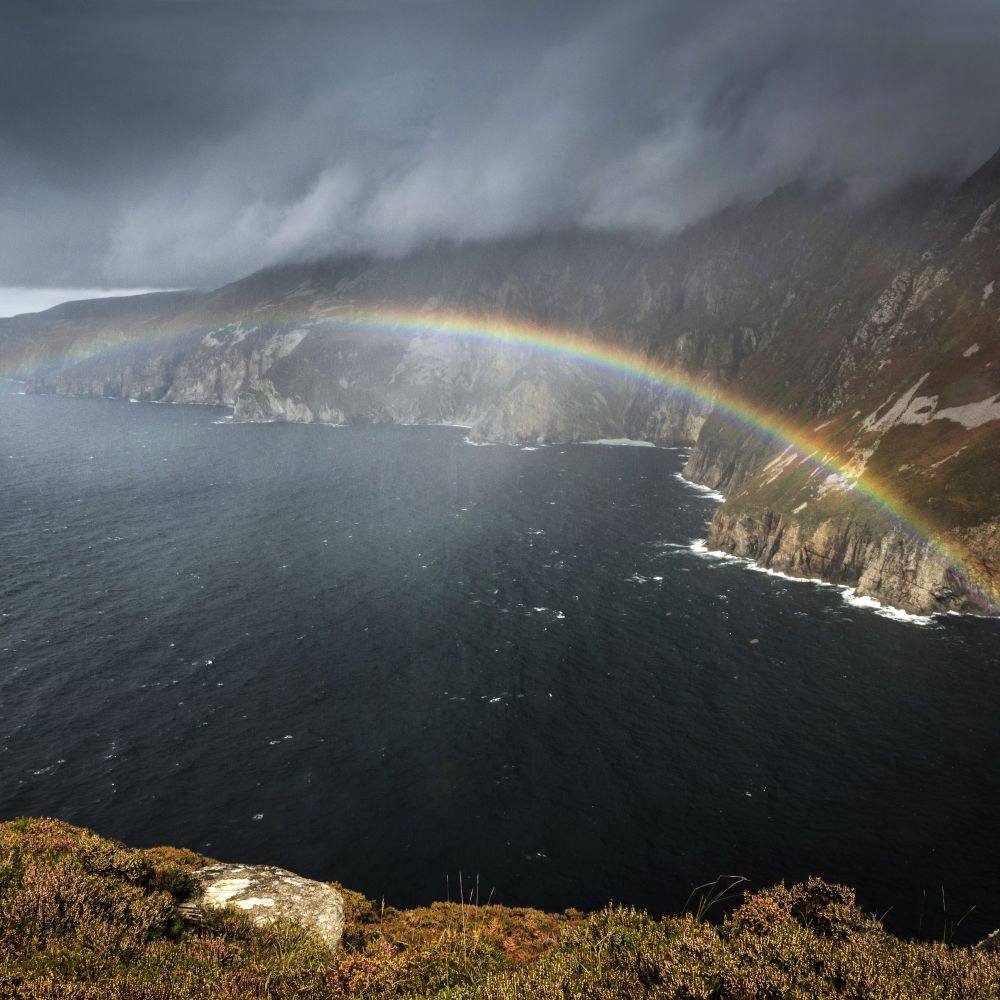
Wake up in your Killarney base ready to explore the spectacular coastal peninsulas. While the Ring of Kerry is famous worldwide, Shauni suggests opting for the Slea Head Drive on the Dingle Peninsula instead. It's a personal favorite among our team and offers arguably even more dramatic coastal scenery without the same volume of tour buses.
Day 5 — Cork & Midleton
Travel east into County Cork. This is the perfect time to visit the famous Jameson Distillery in Midleton or kiss the Stone at Blarney Castle. Enjoy the evening in Cork City or the colourful nearby fishing town of Kinsale before you begin your journey back up the country tomorrow.
Day 6 — Return to Dublin (via the Rock of Cashel)
Make your way back to Dublin, perhaps stopping at the spectacular Rock of Cashel in Tipperary along the route. As Shauni notes, spending your final night in Dublin provides a nice, calm ending to your holiday. You can explore the Guinness Storehouse, Trinity College, or Temple Bar, safe in the knowledge that you are only a short distance from the airport for tomorrow's flight — avoiding a frantic cross-country dash on your departure day.
Day 7 — Depart from Dublin
Enjoy a final hearty Irish breakfast before heading to the airport. Slán abhaile!
Top tip for hidden gems
"Something visitors might not think about — but absolutely should — is a sheepdog demonstration. There are plenty of them around, especially along the Ring of Kerry. It's a brilliant way to actually do something active and experience the culture while you're taking in the beauty of the landscape." — Shauni Braem, Tour Design and Operations Manager
Where to Base Yourself: The "Hub and Spoke" Method
A 'Hub & Spoke' or 'Loop the Loop' tour focuses on staying in as few different accommodations as possible. For example, if you took a hotel in County Limerick as the 'Hub' for a four night stay, you could visit the neighbouring counties of Kerry, Cork and Clare for a whole day each.
A traditional tour would see you check out from the hotel in Limerick, travel the short distance to Kerry, check-in and get comfortable in a new hotel... and so on, throughout your destinations. With a bit of pre-planning and using only, for example, two or three individual hotels during your week in Ireland, you can spend more time doing the things you like and less time having to check-in and out, packing and unpacking. Ireland is a small country and you'll be amazed how quickly the journeys to and from your 'hub' will feel.
Hotels
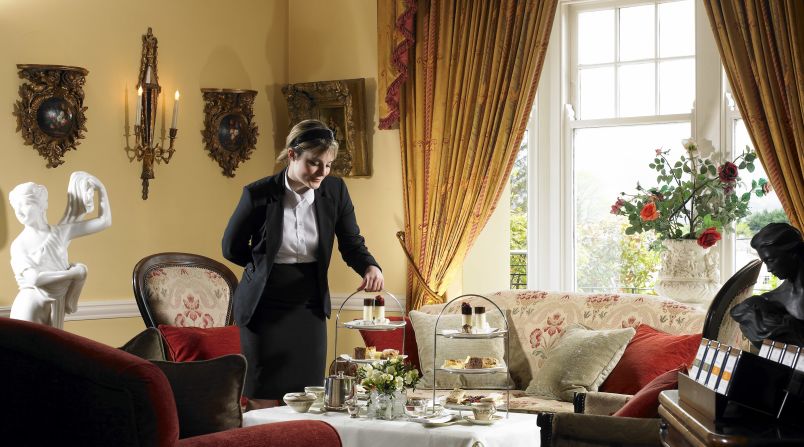
Hotels in Ireland range from the extravagant castle hotels (Ballynahinch Castle in Galway, Adare Manor in Limerick, Dromoland Castle in Clare), to mid-range specialists (Clarion, Maldron) to Stop & Drop no-frills stays (Travelodge, Holiday Inn).
B&Bs
B&Bs are an ideal accommodation choice for anyone looking for a more personal touch to their stay. Staying, usually, in the house of the owners, it's not uncommon to enjoy a drink with them in the evening and join them for breakfast the next morning, all while swapping travel tips and tricks with the other guests. B&Bs in Ireland come in at around the same price as mid-range hotels.
Hostels
Hostels can be found in all the cities in Ireland and a few of the larger towns. While they are a great way to save money when compared to hotels and B&Bs, they might be more suited to a younger crowd. The major downside, for some people, is that you will be sharing a room with strangers. Hostels are great for socialising and swapping travelling stories, but not so great if you just want to get your head down and get some shuteye.
Farm Stays
An Irish Farm Stay offers all the benfits of a bed and breakfast with the added bonus of living on a working farm. Enjoy the fresh country air, see the processes that go into running a farm and enjoy the freshest produce. A Farm Stay will usually cost a little more than a stay in a standard B&B.
Alternative Accommodation
House swapping, AirBnB, CouchSurfing and campsites are also options for your week long stay in Ireland. For more information on these as well as prices for all different accommodation type, please click here.
Costs of a 1-Week Trip to Ireland
We have an in-depth trip to Ireland cost guide with prices tourists need, to help you plan your Irish vacation budget. From accommodation to food, transport, and attractions, our guide covers all aspects of your Ireland adventure.
Experiencing Local Irish Culture and Food
A Compact Country Packed with Culture
A seven-day trip around Ireland is incredibly rewarding, not because you can rush across the whole island, but because it is so densely packed with history, scenery, and culture. While our winding country roads might take a little longer to navigate than you'd expect, the sheer volume of 'must-see' attractions located close together means you don't have to spend your entire vacation in the car. You can experience dramatic landscapes, ancient castles, and vibrant towns all within a short, scenic drive of your hotel.
Cultural Diversity & Local Nuances
Taking the time to travel at a realistic pace also allows you to notice the incredible cultural diversity found within such a small space. Hearing a drastic change in accents over the space of just a few miles is something visitors are always struck by. For instance, growing up in Cork City, with its own distinct slang and cadence, a local can often pinpoint a fellow Corkonian's exact birthplace to the nearest half-mile! This is true across all counties in Ireland. If you were to pick a spot in Dublin city and walk ten minutes in any direction, the subtle shifts in the locals' accents are amazing. To an outsider, it might all sound similar at first, but the more time you spend in a given place, the more you will start to notice the 'accents within the accent'.
This hyper-local diversity extends to our food, too. In County Cork, you'll find a delicacy known as Spiced Beef, a uniquely cured and salted joint of rump beef. Down in County Waterford, you can walk into any bakery and order a 'Blaa' (a doughy, soft white bread bun). Boxty, a traditional potato pancake, is a staple in County Fermanagh, while Dulse — a savory red seaweed often used in baking — is famously found along the Causeway Coast of County Antrim. All of these areas are relatively close to one another, yet asking for one of these specialties outside of its home county can sometimes feel like speaking a different language.
Wherever your seven-day route takes you, you are never too far from a local who will gladly tell you the history of their town's culture — or, at the very least, the version of it they want you to hear!
One of the greatest rewards of a week-long trip to Ireland is having enough time to truly connect with local culture, food, and people - without racing from one landmark to the next. And as our top tip from Shauni suggests, adding just one day to make it an 8-day trip can make a big difference in getting the balance right between seeing enough of the attractions and having time to relax and soak in the local atmosphere.
Connecting with Locals
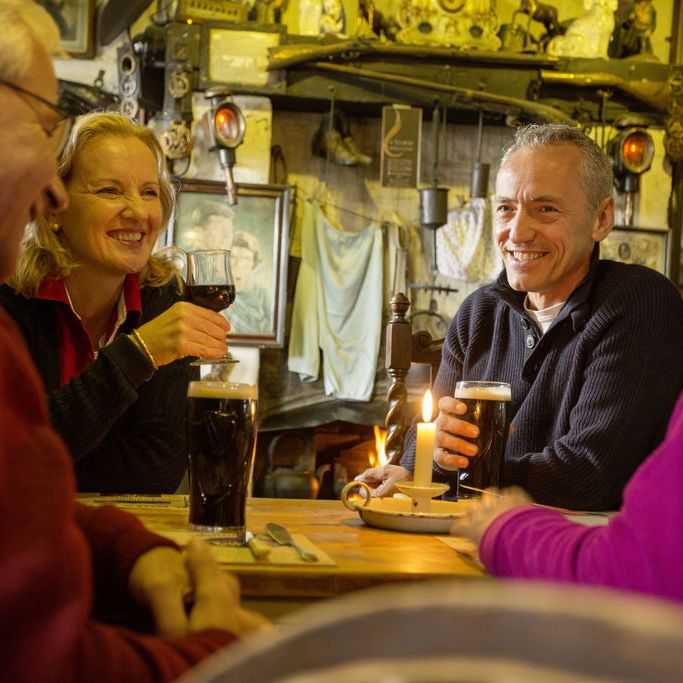
Irish people are famously welcoming and love to share stories about their towns, traditions, and history. When you're not racing against the clock, you have the freedom to strike up conversations in pubs, chat with B&B owners over breakfast, or ask shopkeepers for their recommendations. These spontaneous interactions often become the most memorable parts of a trip — and you'll come away with insider tips that no guidebook can provide.
Exploring Beyond the Tourist Trail
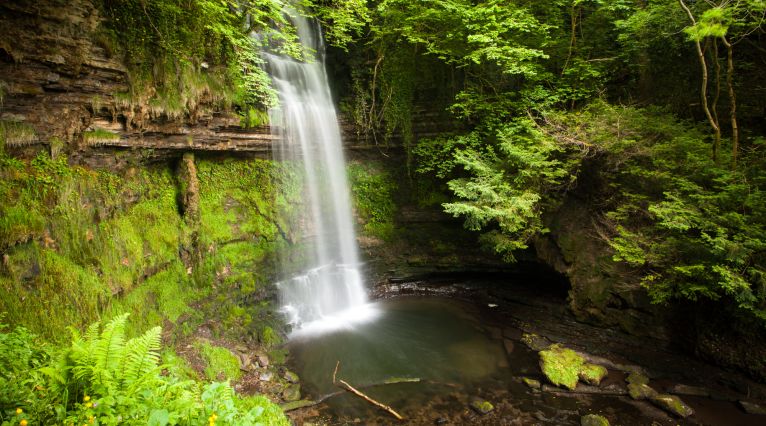
While the big-hitters like the Cliffs of Moher and the Guinness Storehouse are absolutely worth visiting, a week-long itinerary can give you time to discover lesser-known gems, especially if you go outside of Dublin in your planning to explore quiet coastal villages, hidden waterfalls, local craft shops, and scenic walking trails. These quieter moments let you experience Ireland at a slower, more authentic pace, and you'll avoid the crowds that cluster around the most famous sites.